Chinch bugs are small sap-feeding insects that damage lawns by injecting a toxin as they feed, causing irregular yellow then brown patches that spread in hot, dry weather. The patches are often mistaken for drought, so the first step is always to confirm the pest before treating, then to start with cultural and organic controls.
Recognise the damage
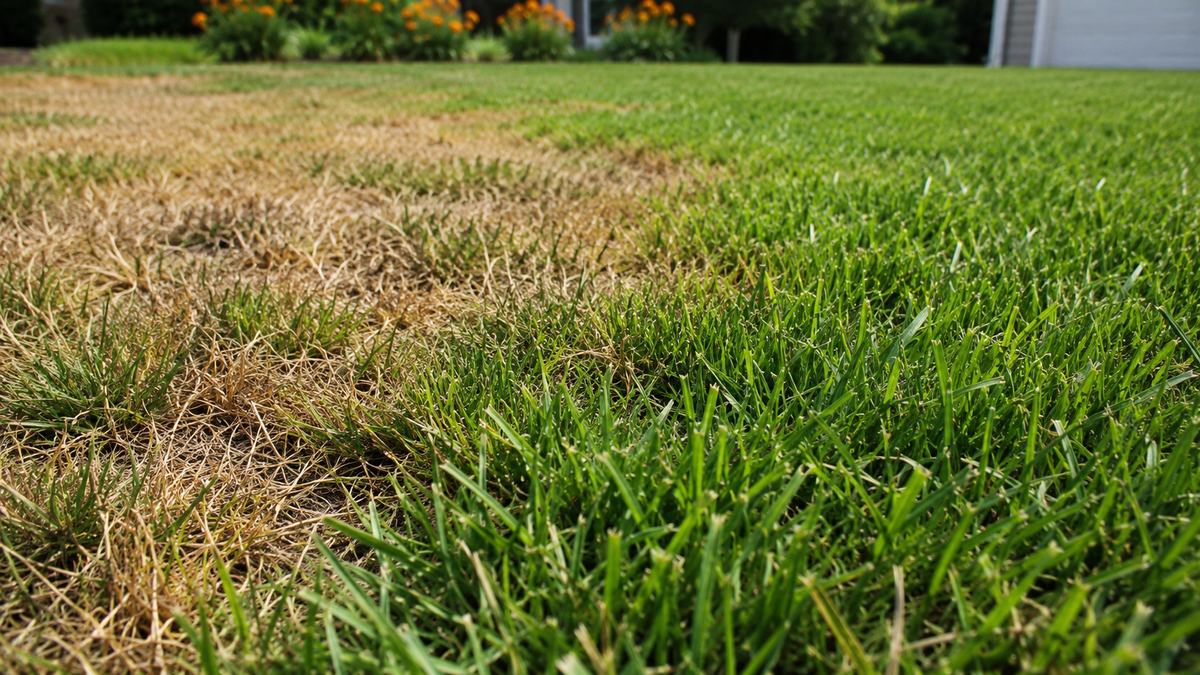
Chinch bug damage shows as expanding patches of yellowing grass that turn brown, usually in the hottest, sunniest, driest parts of a lawn first. Because this looks like drought stress, lawns are often watered repeatedly with no improvement, which is a clue the cause may be a pest rather than dryness.
Confirm it is chinch bugs
Confirm the pest before doing anything else, because the wrong diagnosis wastes effort and products. A simple check is to part the grass at the edge of a damaged patch and look at the soil surface for small, fast-moving insects, or use a bottomless can pushed into the soil and filled with water to float them up. The approach in diagnosing problems before spraying applies here: identify before you treat.
Understand the life cycle
Chinch bugs are most active and damaging in hot weather, when populations build quickly across one or more generations a season. Knowing that activity peaks in heat helps you time monitoring for the warmest part of the year, when patches are most likely to appear and spread.
Cultural and organic control first
- Reduce thatch, the dense layer where chinch bugs shelter, through good lawn maintenance.
- Water and feed appropriately so grass is vigorous enough to tolerate and recover from feeding.
- Encourage natural predators, such as certain beetles and bugs, by avoiding broad insecticide use.
- Consider endophyte-enhanced or more resistant grass varieties when reseeding damaged areas.
When stronger control is considered
If cultural methods are not enough and damage is severe and confirmed, any insecticide should be used strictly according to its current label and local regulations. The label, not an online suggestion, determines which products are approved for lawns in your area, the rate, protective equipment, and timing. When unsure, a local extension service or lawn professional can confirm the right approach for your region.
Prevent future outbreaks
A healthy, well-maintained lawn with limited thatch and appropriate watering is far less vulnerable to chinch bug outbreaks. Monitoring the hottest, driest areas during peak summer lets you catch a problem early, when cultural controls are most effective.
What chinch bugs look like
Knowing the insect helps you avoid treating the wrong pest. Adult chinch bugs are small, dark, and narrow, often with whitish markings on folded wings, while the young are smaller and can be reddish before they darken with age. They feed in groups at the base of grass blades, which is why parting the turf at the edge of a patch and watching the soil surface for movement is such a useful confirmation step. Several harmless or even beneficial lookalikes exist, so a positive identification matters before any treatment.
Help the lawn recover
Once the pest is under control, damaged areas need help to fill back in rather than being left bare for weeds to colonise. Lightly rake out dead grass, reseed or patch with a suitable, ideally more resistant variety, and water the recovering area consistently while it establishes. A denser, healthier sward that closes over quickly is itself part of the defence against the next generation.
Chinch bug questions
How do I tell chinch bug damage from drought?
Both cause yellow-brown patches in hot, dry areas, but chinch bug damage keeps spreading despite watering. Checking the soil surface for the insects confirms the cause.
Are chinch bugs controlled by watering more?
No. Extra water does not control them and can mask the problem. Confirm the pest, then use cultural and organic methods first.
Do beneficial insects help against chinch bugs?
Yes. Several natural predators feed on chinch bugs, which is one reason to avoid broad insecticide use that also kills these helpful species.