Weeds are not just ugly; they compete for light, water, nutrients, and attention. Natural weed control works when it prevents new weeds, removes existing ones at the right stage, and keeps soil covered instead of repeatedly disturbing it.
A low-chemical weed routine
- Remove perennial weeds before planting whenever possible.
- Water the bed, let weed seeds germinate, then remove them before planting if time allows.
- Mulch after crops are established.
- Use drip irrigation to water crop roots without watering every open space.
- Weed when soil is moist and plants are small.
Weed control works best before seeds form
Use mulch, dense planting, drip watering, hand weeding after rain, stale seedbeds, and prevention. Avoid letting weeds flower or set seed. The easiest weed to control is the one that never gets light.
Bare soil invites another round of growth
Many weed seeds wait in soil for light and disturbance. Every time soil is turned, new seeds can germinate. That is why a surface-cover strategy often beats constant digging.
Mulch, hand removal, spacing, and timing
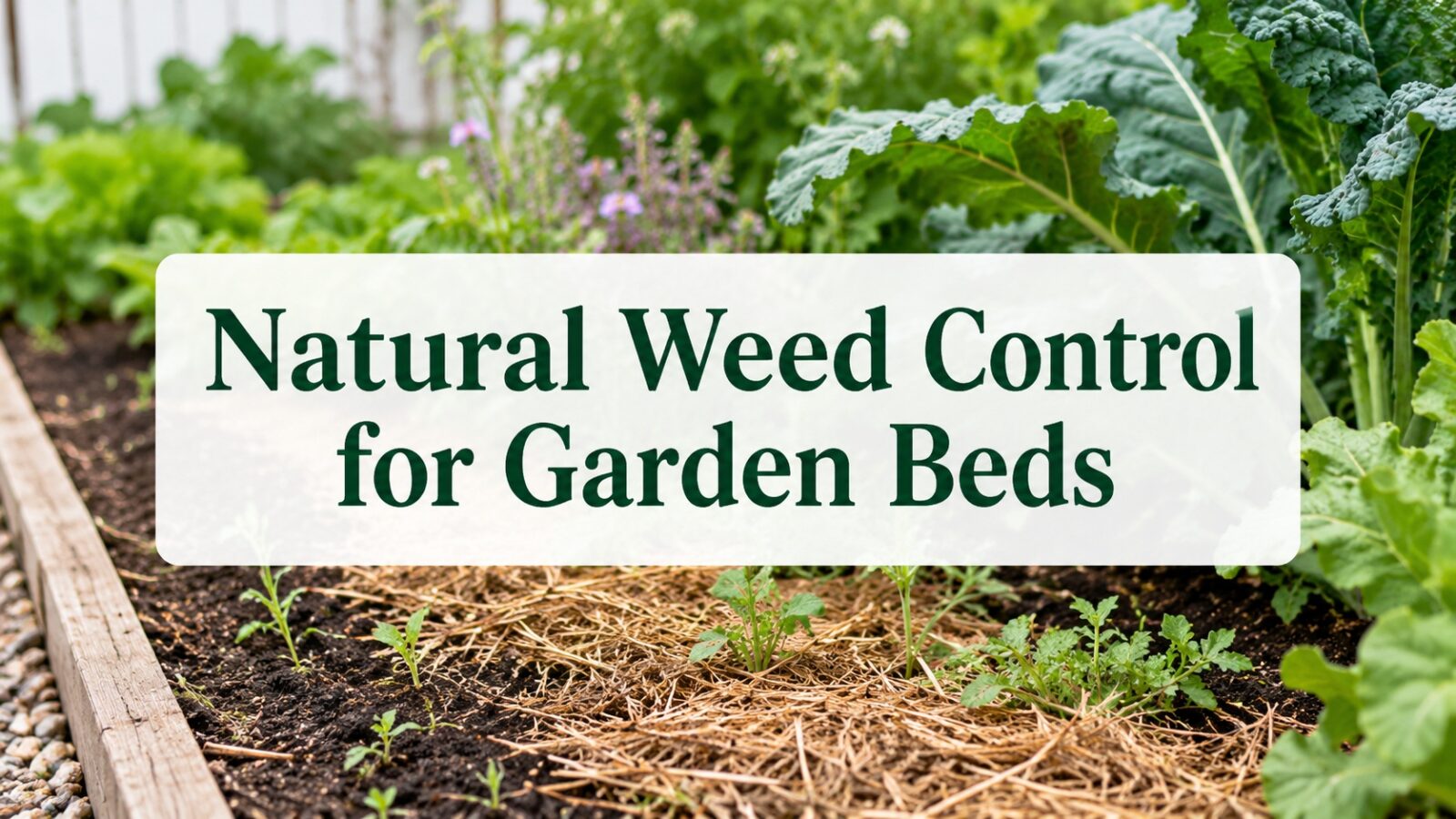
Organic mulches such as straw, leaves, compost, or wood chips reduce light at the soil surface.
Landscape fabric can work in some paths but creates problems if weeds root through it.
Crowded crop spacing is not a substitute for good spacing; plants still need airflow.
Annual weeds are easiest before flowering. Perennial weeds require root removal and persistence.
Edges and paths often reseed beds, so manage the whole garden area.
Match the method to the weed
Annual weeds are easiest to remove when small and before flowering. Deep-rooted perennials need repeated removal of regrowth or careful digging to reduce the stored energy in their roots. Cutting the top once rarely finishes the job.
Identify the weed before choosing a method. A tool that slices shallow seedlings may spread a plant that grows from root fragments. After removal, cover the soil with mulch or desirable plants so the open space does not become the next germination site.
Preventing the next flush
Weed seeds often germinate after soil is disturbed. Work only as deeply as needed, then cover the surface promptly. In pathways, a stable mulch layer reduces repeated hoeing and protects the bed edge.
Inspect after rain, when new seedlings are easy to see and many rooted weeds pull more cleanly from moist soil.
Perennial weeds and repeated regrowth
If weeds keep returning, identify whether they are annual seedlings or perennial roots. Seedlings point to exposed soil and seed rain; perennial regrowth means roots or rhizomes remain.
Methods that spread roots or damage soil
- Letting weeds get big because they are easier to grab later.
- Tilling repeatedly and bringing new seeds up.
- Using herbicides or vinegar casually around desirable plants.
- Leaving pulled weeds with seed heads in the bed.
Simple tools for different weed types
A sharp hoe, hand weeder, mulch fork, and sturdy gloves are more useful than most gimmicks. Choose mulch based on crop, budget, and local availability.
The best weeding time is often after moisture, not before
Weeds are easier to pull when soil is damp enough to release roots but not so wet that it compacts underfoot. After a light rain or irrigation, loosen deep taproots with a narrow tool and remove plants before seeds mature. On dry days, hoe tiny seedlings near the surface and leave them exposed to wilt.
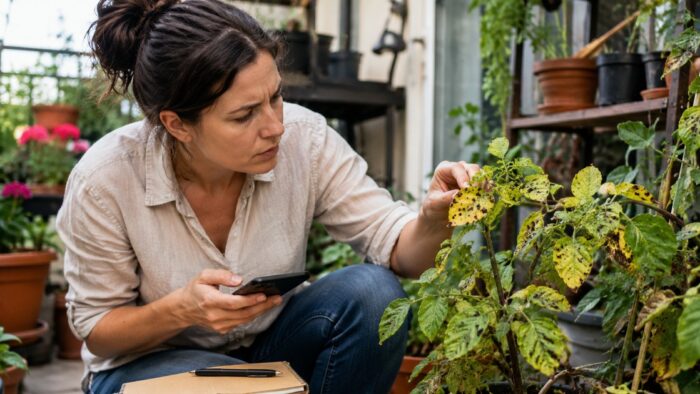
Covering bare soil reduces the next wave, but mulch works best after existing weeds are removed. Compare materials and depths in the vegetable mulch guide. If a weed or volunteer plant is unfamiliar, identify it before handling or composting seed heads. The broader diagnostic process in the plant problem guide helps avoid treating the wrong organism.
Natural weed-control questions
What is the best natural weed control?
Mulch combined with early hand weeding and prevention is one of the most reliable approaches.
Does vinegar kill garden weeds?
It can burn foliage but may not kill roots, and it can injure nearby plants. Use with caution.
Should I pull or hoe weeds?
Small annual weeds are easy to hoe. Larger or perennial weeds often need pulling with as much root as possible.
Can weeds go in compost?
Avoid seed heads and persistent roots unless your compost pile reliably heats enough to kill them.