A second season starts in midsummer, not autumn: count back from your first frost date using the days-to-maturity on the packet plus two weeks, because growth slows as days shorten. In most cool-temperate gardens that means sowing kale, chard and beetroot by mid-July, carrots and bush beans by late July, and lettuce, spinach, radish, rocket and pak choi right through August and into September. Many of these taste better after a light frost, and spinach, kale and leeks stand through winter.
Autumn sowing dates, counted back from first frost
| Crop | Sow by | Days to harvest | Frost tolerance |
|---|---|---|---|
| Kale | 12 weeks before first frost | 55 to 75 | Hardy to -15°C; sweeter after frost |
| Chard | 12 weeks before | 50 to 60 | Survives to about -8°C |
| Beetroot | 12 weeks before | 55 to 70 | Roots tolerate light frost |
| Carrots | 12 weeks before | 60 to 80 | Stand in ground under mulch all winter |
| Bush beans | 10 weeks before | 50 to 60 | Killed by first frost; last to go in |
| Turnips, kohlrabi | 8 to 10 weeks before | 40 to 55 | Light frost fine |
| Lettuce | 8 weeks before | 45 to 55 | Light frost; cold frame extends it |
| Spinach | 6 to 8 weeks before | 35 to 45 | Hardy; overwinters for a spring crop |
| Rocket, mizuna, pak choi | 6 weeks before | 25 to 40 | Light frost; bolts less in autumn than spring |
| Radish | 4 weeks before | 25 to 30 | Light frost |
| Garlic, overwintering onion sets | At or just after first frost | Harvest next June | Fully hardy |
Clear summer crops the day they finish and sow into the gap the same day; the soil is warm and seeds germinate in days. Keep a cold frame or fleece ready for the salad crops, and see overwintering onions for the last planting of the year.
Count backwards from your first frost
Take the days to maturity on the seed packet and add roughly two weeks, because growth slows as days shorten – the so-called autumn slowdown. Then count back from your average first frost date. If a crop needs 50 days and your first frost is 25 October, the practical last sowing date is around 20 August, not late September.
Hardy crops can be sown later because they will stand through frost rather than needing to finish before it.
What to sow in late summer for autumn
- Spinach – thrives in cool weather and often overwinters
- Pak choi and other Asian greens – fast, and far less prone to bolting than in spring
- Rocket and mizuna – four to five weeks to first cut
- Turnips – quick roots plus edible tops
- Radish – the fastest crop in the garden, including winter radish types
- Winter lettuce – choose hardy varieties, not summer types
- Spring onion – sown now, standing through winter
- Coriander and dill – much happier in autumn than in midsummer heat

What to plant out rather than sow
Crops started in modules in midsummer should go out as transplants in late summer: kale, autumn and winter cabbage, purple sprouting broccoli, leeks and chard. Transplanting buys three or four weeks compared with direct sowing and is the only way to get slow brassicas established in time.
Prepare the ground quickly
As each bed clears, pull the crop, remove any diseased material, and add 3 to 5 cm of compost. Do not dig deeply – you want the warmth and structure left in place. Water the bed well before sowing, because late summer soil is often dry 10 cm down even after rain.
Getting seed to germinate in heat
Lettuce and spinach germinate poorly above about 25C. Sow in the evening, water the drill with cool water before sowing, and cover with a board or shade cloth until seedlings emerge. Alternatively start them in modules somewhere cool and transplant.
Protection extends the season substantially
A single layer of fleece adds roughly 2 to 3C of frost protection and keeps crops growing weeks longer. A low polytunnel or cloche over a bed of salad can keep you picking into midwinter in a mild climate. Cold frames suit lettuce, spinach and herbs. None of these create heat – they conserve it – so they extend the harvest rather than restarting growth once light levels collapse.
Pests and problems shift
Aphid and caterpillar pressure falls, but slugs increase sharply in damp autumn weather. Keep beds clear of debris, water in the morning rather than the evening, and check under pots and boards. Netting brassicas remains worthwhile into autumn for pigeons, which become far more destructive once other food runs out.
End the season well
Any bed you will not plant should be mulched or sown with a green manure such as field beans, rye or phacelia. Bare soil over winter loses nutrients and structure to rain. Lift and store potatoes, onions and squash properly, clean and oil tools, and write down what worked – autumn is the easiest time of year to plan next spring while the evidence is still in front of you.
Counting Backwards From First Frost
The second season is arithmetic. Take your first frost date, subtract a variety’s days-to-maturity, then subtract another two weeks because autumn’s shortening days slow everything, and you have the latest sensible sowing date. In practice that means fast crops, radishes, salad leaves, baby spinach, can start shockingly late, while anything over 70 days needs a midsummer start. Cheat the deadline with transplants instead of seed, and stretch the far end with cover: cloches, fleece and the cold frames that turn October’s first frost into a non-event buy three to six extra weeks of harvest.
Which crops improve after frost?
Kale, Brussels sprouts, parsnips and leeks all sweeten when cold converts their starches to sugar, so schedule them to mature into the frosts deliberately. A kale bed eaten from October to February is the single best argument for taking the second season seriously.
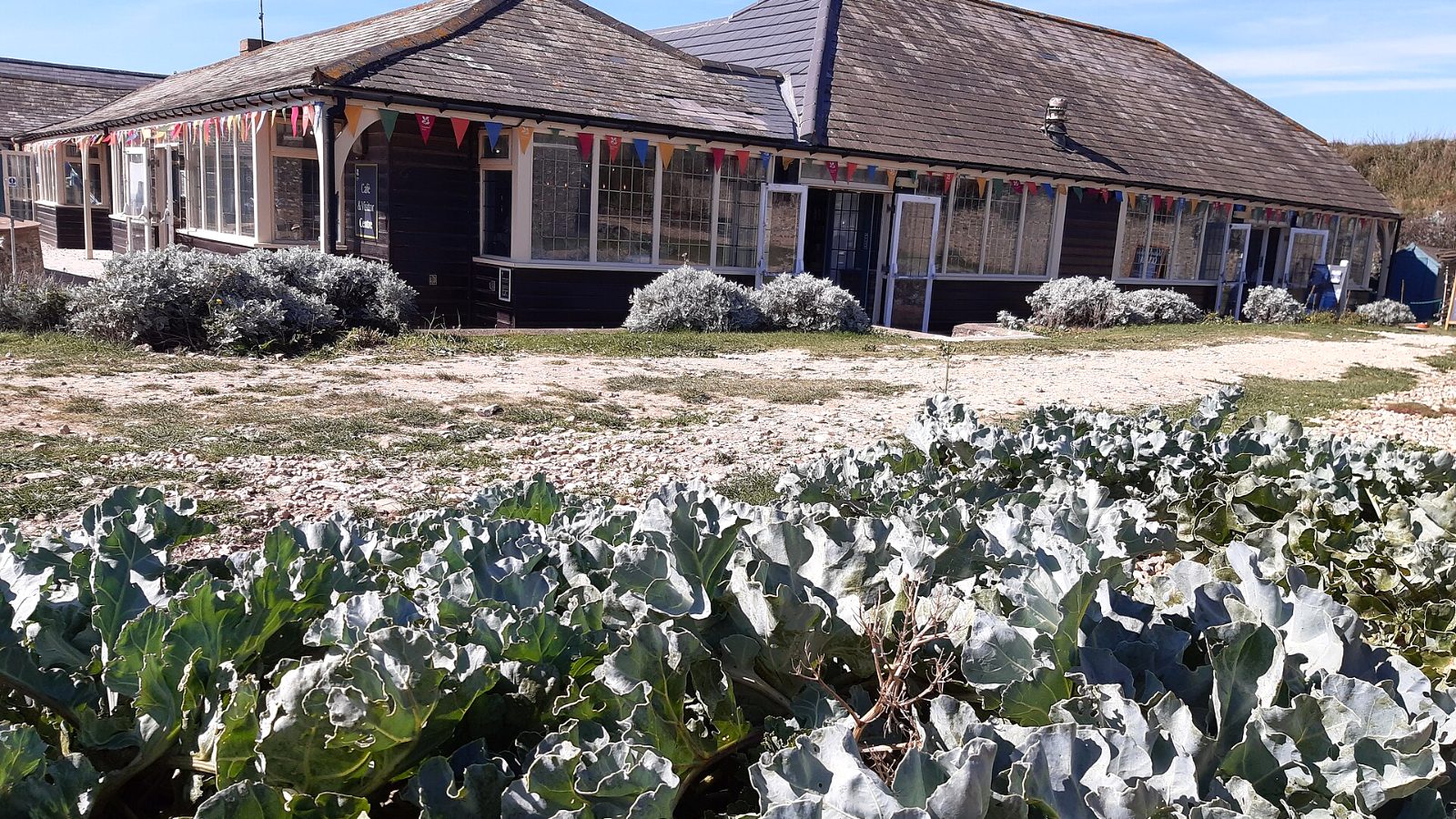
Featured image: Sea Kale as decorative plant in Birling Gap garden. Photo: Chiswick Chap (CC BY-SA 4.0), via Wikimedia Commons.
When this advice does not apply
In hot climates the second season is the main season: start sowing cool-season crops when daytime highs drop below 30°C, usually September to October, and they crop all winter. Where the first frost comes before mid-September, drop the beans and carrots and grow only the fast leafy crops.


