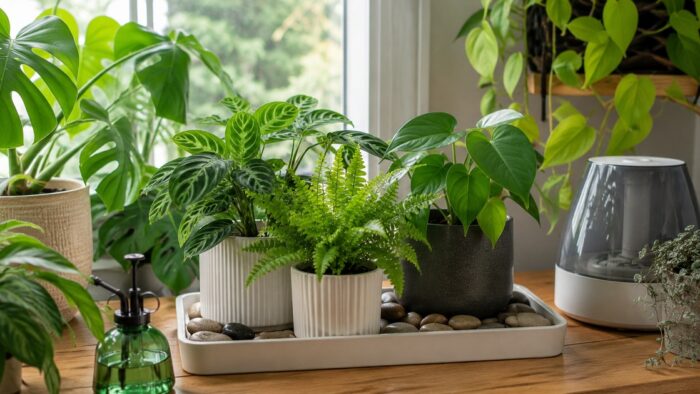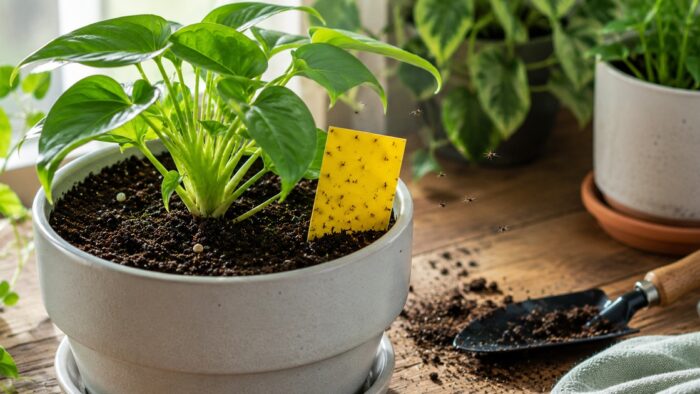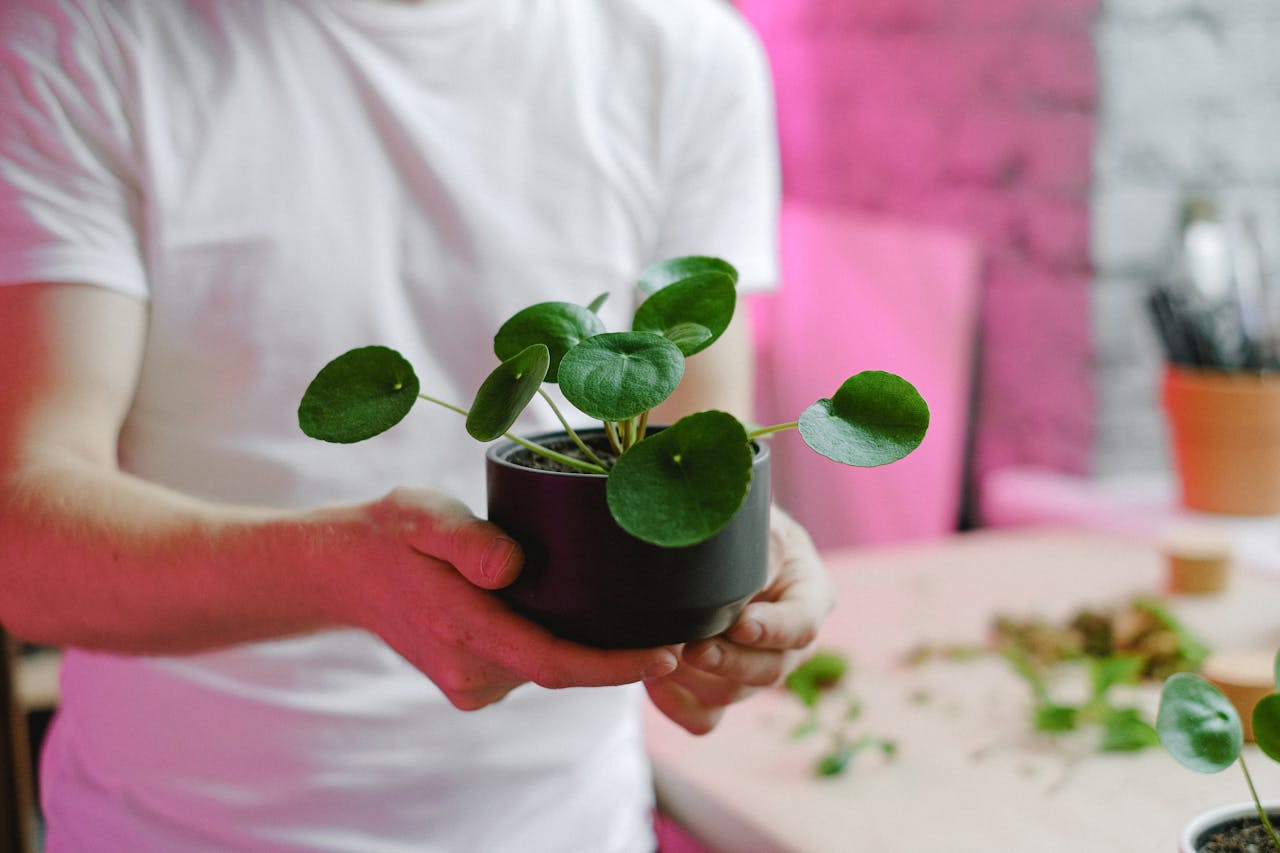
A low-light room is not a plant death sentence, but it does change the rules. The best beginner plants for dim corners are not plants that love darkness; they are plants that tolerate lower light and grow slowly without collapsing between watering days.
Start with plants that tolerate slower growth
Choose plants with forgiving roots, flexible light tolerance, and clear watering signals. Pothos, snake plant, ZZ plant, Chinese evergreen, cast iron plant, philodendron, parlor palm, peace lily, dracaena, and heartleaf philodendron are dependable choices for apartments, offices, bathrooms, and north-facing rooms.
What low light really means indoors
Low light usually means a plant receives indirect daylight rather than direct sun. A room can look bright to a person and still be weak for photosynthesis, especially several feet away from a window. That is why placement matters more than labels on nursery pots. Move a plant closer to the window before you buy a stronger fertilizer or a larger pot.
Setting up a dim room for plants
- Stand in the room at noon and check whether you can read comfortably without turning on a lamp. If not, plan on using a grow light or choosing only the toughest foliage plants.
- Start with one or two plants instead of filling the room at once. You will learn the watering rhythm of your home before risking a collection.
- Use a pot with drainage holes and a saucer. Decorative cachepots are fine, but the nursery pot should never sit in pooled water.
- Water only after the top layer of potting mix dries. Low-light plants use water slowly, so a weekly schedule often causes root rot.
- Rotate the pot every couple of weeks so growth stays balanced and leaves do not lean permanently toward the window.
Ten dependable choices and how they behave
Snake plants and ZZ plants tolerate missed watering better than most leafy houseplants because their roots and stems store moisture.
Pothos and heartleaf philodendron are useful because they visibly droop when thirsty and recover quickly after watering.
Peace lilies tolerate lower light but become dramatic when dry; they are better for people who like visible plant feedback.
Cast iron plant grows slowly but is one of the best choices for hallways and shaded rooms because it handles neglect better than fast growers.
Avoid buying flowering plants for low-light corners. They may survive, but they rarely bloom well without stronger light.
Before buying a plant for a dark corner
Look at the room at several times of day. A north-facing window with no obstruction may support more plants than a south-facing room where curtains stay closed. Distance matters too. Light drops quickly as a plant moves away from glass, so a shelf three metres from a window may function more like a windowless space than a bright room.
Also consider how often you like to water. Snake plants and ZZ plants suit people who prefer longer gaps between checks. Peace lilies and many palms need closer observation. The easiest plant is not the one with the toughest reputation; it is the one whose light and moisture needs fit your routine.
What to check at the nursery
Buy smaller plants when possible. They adapt to a new room more easily, cost less, and reveal growth problems before you invest in a large specimen. Pick plants with firm stems, clean leaf undersides, and no sour smell from the potting mix.
Where beginners usually go wrong
- Calling any windowless room low light instead of no light. Most houseplants still need some light to make energy.
- Watering because the calendar says so rather than checking the potting mix.
- Repotting a stressed plant immediately after bringing it home. Give it two to four weeks to adjust first.
- Using heavy garden soil indoors. It compacts in pots and keeps roots wet for too long.
Reading the leaves after placement
Yellow lower leaves usually point to overwatering, especially when the soil stays damp. Brown tips may come from dry air, inconsistent watering, or mineral buildup. Long gaps between leaves usually mean the plant wants stronger light.
Choosing a plant for a room you actually use
Think about the room before the plant. A hallway with no window, a bathroom with frosted glass, and a north-facing office may all be described as low light, but they do not offer the same amount of usable daylight. Watch the room at several times of day and note whether shadows appear on the wall. Soft but visible shadows usually indicate more light than a space that stays flat and dim.
Place new plants near the brightest suitable window first, then move them farther away only after they settle. If the only available position is genuinely dark, a small timer-controlled light is more reliable than hoping a tolerant plant will adapt indefinitely. The practical setup in the houseplant grow-light guide explains how distance and duration change the result. Watering should also slow as light falls, which is why the method in the houseplant watering guide works better than a weekly calendar.
Questions about low-light rooms
Can a houseplant live in a room with no window?
Not for long without artificial light. A basic full-spectrum grow light on a timer is usually a better solution than rotating plants in and out of a dark room.
Which low-light plant is hardest to kill?
ZZ plant and snake plant are two of the most forgiving choices because they tolerate dry periods and do not demand frequent feeding.
Should I fertilize low-light plants often?
No. Plants in low light grow slowly and need less fertilizer. Use a diluted balanced fertilizer during active growth, not during every watering.
Why did my low-light plant stop growing?
Slow growth is normal in dim rooms. If leaves are pale, stretched, or dropping, move the plant closer to natural light or use a grow light.
A documented low-light growth case study
[INSERT REAL DATA: replace this placeholder with an actual tracked example from the editorial team – for instance, photographing and logging one of the ten plants above in a genuinely low-light room (lux reading if possible) over 8-12 weeks, noting watering interval, any new growth, and leaf condition. A real, dated photo series and a named, credentialed reviewer (see the author-bio recommendation in the accompanying report) is what converts this from commodity advice into primary-source content for AdSense and search quality evaluators. Do not publish a fabricated case study – an invented growth log is a factual claim that can be checked and undermines trust if it is not real.]