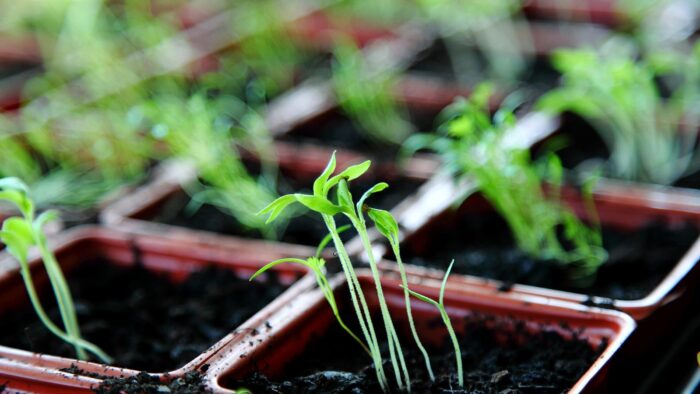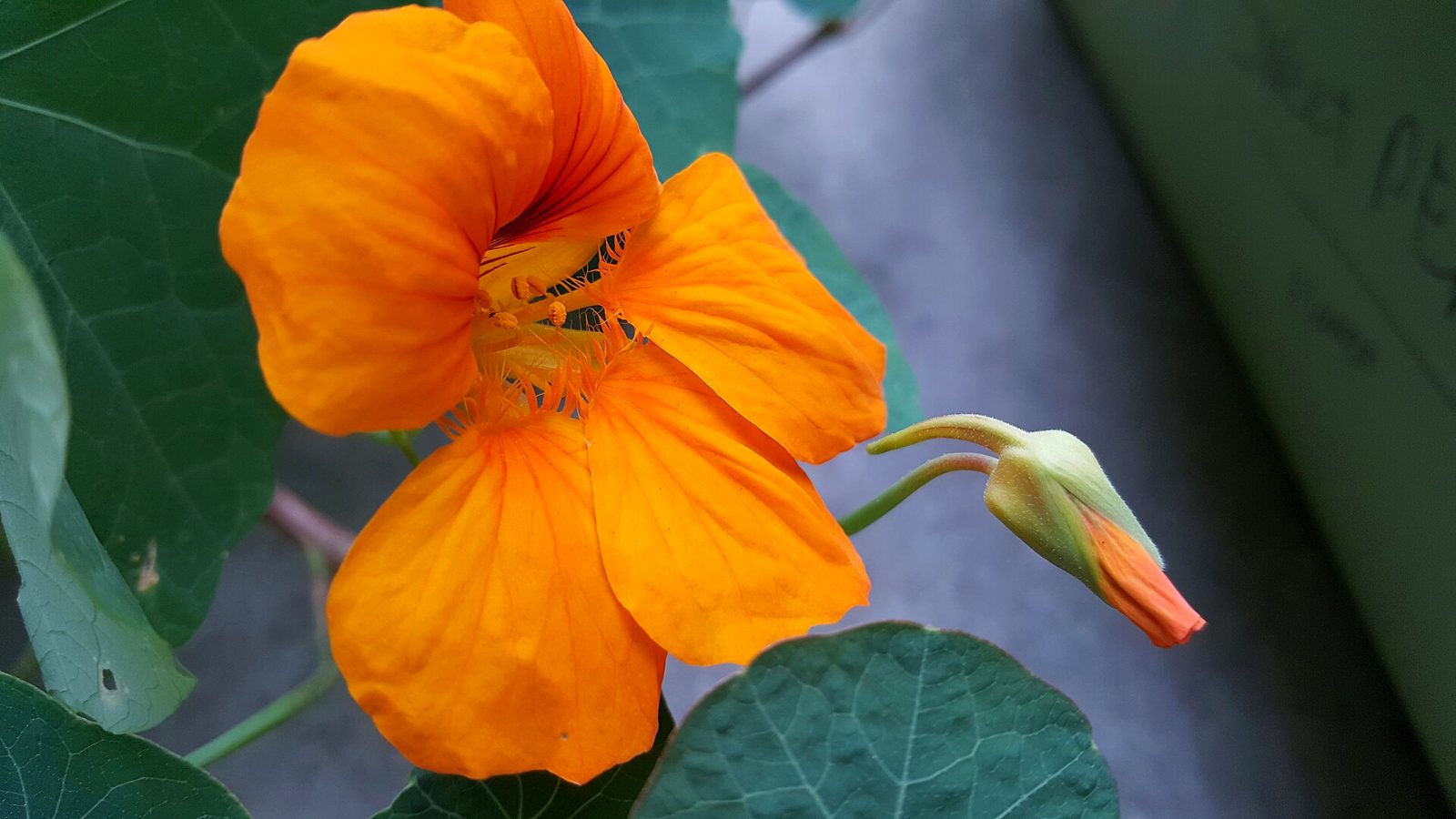
Mixing flowers through the vegetable garden is not just decoration: a border with 10 to 20 percent flowering plants brings in the hoverflies, lacewings and parasitic wasps that control aphids and caterpillars, and in trials pollinator numbers on nearby crops rise measurably. The pairings that work are umbellifers and daisies for the predators (dill, fennel, coriander and calendula, cosmos, marigold), legumes and brassicas with nasturtium as a sacrificial aphid trap, and edible flowers (nasturtium, borage, calendula, viola) that earn their space twice.
Flowers that work in a vegetable bed
| Flower | What it does | Pair with | Height |
|---|---|---|---|
| Calendula (pot marigold) | Attracts hoverflies; edible petals; self-seeds | Brassicas, lettuce, beans | 30 to 50 cm |
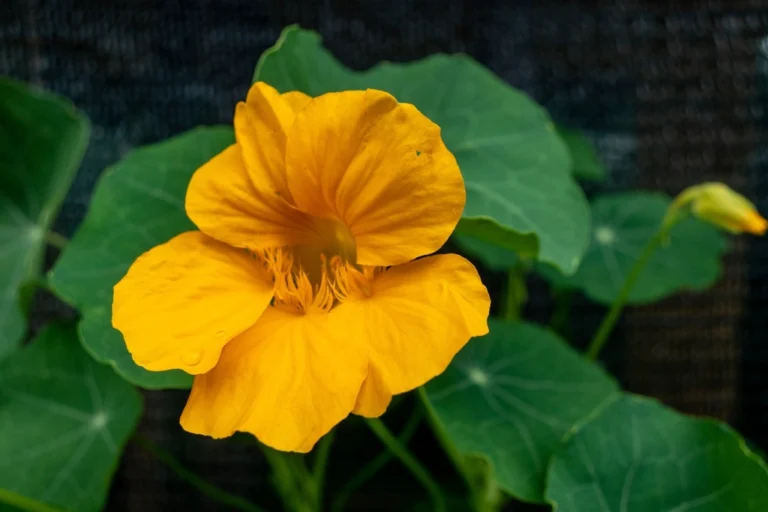
| Nasturtium | Trap crop for blackfly and cabbage white; edible leaves, flowers, seeds | Broad beans, brassicas, squash | Trailing or 30 cm bush |
| Borage | Bee magnet; edible flowers; deep roots | Strawberries, tomatoes, squash | 60 to 90 cm |
| Cosmos | Hoverflies and bees; long flowering | Anywhere at the back | 90 to 120 cm |
| French marigold (Tagetes) | Root exudates reduce nematodes; some whitefly deterrence in greenhouses | Tomatoes, peppers | 20 to 30 cm |
| Dill, fennel, coriander left to flower | Feed parasitic wasps and lacewings | Edge of the bed | 60 to 150 cm |
| Sweet alyssum | Low hoverfly carpet | Under tomatoes and brassicas | 10 to 15 cm |
| Sunflower | Birds, bees; windbreak; trellis for beans | North edge | 1.5 to 3 m |
| Phacelia | Bees; green manure | Empty beds between crops | 60 to 90 cm |
Keep flowers to the edges and ends of beds or every fourth square so they do not shade the crop, and let a few herbs flower each year instead of cutting them all. This is the gentlest form of organic pest control, and it is what makes a front yard vegetable garden look like a garden.

Why mixing works practically
Flowers bring pollinators, which directly raises fruit set on courgettes, squash, beans and tomatoes. They also feed hoverflies, lacewings and parasitic wasps, whose larvae eat aphids and caterpillars. Dense mixed planting makes it harder for pests to locate their host crop by scent and sight. And flowering plants fill gaps left by harvested vegetables, so the bed never looks bare.
The most useful flowers to include
- Calendula – flowers for months, self-seeds, draws hoverflies, petals are edible
- Nasturtium – acts as a trap crop for blackfly, edible leaves and flowers, excellent ground cover
- Borage – the single best bee magnet, and a good companion for strawberries
- Phacelia – fast, dense, and doubles as a green manure
- Cosmos and cornflower – height and colour through late summer
- Marigold – strong scent, useful near tomatoes, pot marigold is also edible
- Dill, fennel and coriander left to flower – umbels feed tiny beneficial wasps
- Sweet peas – cut flowers on the same tripod structures as beans

Vegetables that earn their place ornamentally
Rainbow chard, cavolo nero kale, red-leaved lettuce, purple podded beans, globe artichoke, bronze fennel, red orach and trailing squash all hold their looks for months. Build the permanent structure of the bed from these, then slot in shorter-lived crops around them.
How to combine them
Think in layers rather than rows. Tall structure at the back or centre – artichokes, bean tripods, sweetcorn, cosmos. A middle layer of chard, kale, peppers and bushy flowers. A front edge of lettuce, strawberries, chives, thyme and calendula. Repeat two or three plants along the bed to give rhythm; a bed with one of everything looks chaotic.
Use blocks rather than singles. Five calendula together read as a planting; one reads as a weed that survived.
Keep the practical needs aligned
Group plants with similar water and light needs. Mediterranean herbs want dry, lean soil and will sulk next to heavily fed, heavily watered courgettes. Keep aggressive spreaders such as mint in pots sunk into the bed. Leave yourself access – a path or stepping stones – or harvesting will mean trampling the display.
Succession keeps it looking intentional
Have replacements growing in modules so that when garlic comes out in July, something goes straight back in. Late-sown calendula, French beans or a block of autumn salad will carry the bed to October. Mulch any bare soil immediately; bare earth is what makes a mixed bed look neglected.
Edible flowers worth knowing
Nasturtium, calendula petals, borage flowers, chive and garlic chive flowers, courgette flowers, pansies and violas are all edible and make a salad look considered. Only eat flowers you have identified confidently and grown without pesticide, and introduce any new edible flower in small quantities.
Winter structure
Plan for the five months when little is growing. Evergreen herbs, a trained fruit tree, kale that stands through frost, and a few seed heads left for birds keep the bed interesting. A mixed edible border that looks good in January is a garden you will want to work on in March.
Flowers That Earn Their Bed Space Twice
The strongest ornamental edible gardens choose flowers with a second job. Nasturtiums are a living trap crop, pulling blackfly off beans while every part is edible. Calendula self-sows politely, feeds hoverflies whose larvae clear aphids, and its petals brighten salads. French marigolds have real evidence behind their root-pest suppression near tomatoes, the classic pairing from companion planting. Borage feeds more pollinators per square metre than nearly anything, which pays directly in fruit set. Build the flower list from workers like these and the garden stays beautiful while production rises.
Which edible flowers should beginners avoid?
Anything you cannot identify with certainty. Several common ornamentals, foxglove, sweet pea blossom and most bulbs, are genuinely toxic, and mislabelled seedlings happen. Stick to the unambiguous five, nasturtium, calendula, borage, viola and chive flowers, until identification is second nature.
Featured image: Yellow Nasturtium Flower. Photo: Kong of Lasers (CC BY 4.0), via Wikimedia Commons.
When this advice does not apply
Claims that marigolds repel most pests or that any flower keeps slugs away are not supported; the benefits are pollination and predator habitat, not repellence. Vigorous self-seeders (borage, calendula, nasturtium) become weeds in a small bed if you let every plant set seed; deadhead most of them.