A vegetable planting schedule is less about fixed calendar dates and more about two reference points: your last spring frost and your first autumn frost. Once you know those two dates for your area, every sowing window in this guide becomes specific to your garden.
Sowing depth, spacing and days to harvest
If you remember one rule, make it this one: cover a seed to about two to three times its own width. That single guideline gets you close for almost everything, and it is why carrot seed goes in at a quarter inch while a bean goes in at an inch. Planting too deep is the most common reason seed never comes up.
| Vegetable | Sow depth | Space between plants | Days to germinate | Days to harvest |
|---|---|---|---|---|
| Radish | 0.5 in / 12 mm | 1 to 2 in / 3 to 5 cm | 3 to 6 | 25 to 30 |
| Leaf lettuce | 0.25 in / 6 mm | 2 to 4 in / 5 to 10 cm | 6 to 8 | 40 to 50 |
| Bush bean | 1 to 1.5 in / 25 to 38 mm | 2 to 4 in / 5 to 10 cm | 5 to 10 | 50 to 60 |
| Spinach | 0.5 in / 12 mm | 3 to 4 in / 8 to 10 cm | 7 to 12 | 40 to 50 |
| Beetroot | 0.5 in / 12 mm | 3 to 4 in / 8 to 10 cm | 7 to 10 | 55 to 70 |
| Carrot | 0.25 in / 6 mm | 2 to 3 in / 5 to 8 cm | 12 to 18 | 70 to 95 |
| Cucumber | 1 in / 25 mm | 12 in / 30 cm | 6 to 10 | 55 to 65 |
| Tomato | 0.25 to 0.5 in / 6 to 12 mm | 18 to 36 in / 45 to 90 cm | 6 to 12 | 70 to 90 |
| Pepper | 0.25 in / 6 mm | 18 in / 45 cm | 9 to 14 | 70 to 90 |
Figures are drawn from US university extension planting guides, including Penn State Extension, University of Georgia Extension and Texas A&M AgriLife Extension. Treat days to harvest as a range rather than a date: the seed packet for your specific cultivar is always more accurate than a generic chart, and heat, day length and soil temperature move the number in both directions.
Where the chart misleads. Carrot is the one people get wrong twice over. It takes 12 to 18 days to germinate, which is long enough that most beginners assume failure and re-sow on top of seed that was about to come up. It also needs the soil surface kept damp for that whole period, which is harder than it sounds in warm weather.
The quick crops in that table matter more than they look. Radish at 25 to 30 days and leaf lettuce at 40 to 50 let you harvest something within a month of starting, and for a first season that early result is usually what decides whether a garden gets maintained in July.
Find your two anchor dates
Your local extension service, meteorological office or a frost date lookup will give an average last and first frost. Treat them as averages, not guarantees – allow a week of margin either side for anything tender. Count backwards or forwards from those dates in weeks, which is how seed packets express timing.
Late winter: indoor sowing begins
Eight to ten weeks before the last frost, start slow crops indoors under light: onions from seed, leeks, celery, celeriac, peppers and aubergines. Six to eight weeks before, sow tomatoes. Starting tomatoes too early is the classic beginner error – they become leggy and root-bound long before it is safe to plant them out.
Outdoors in late winter, plant garlic if you missed autumn, chit seed potatoes in a cool bright room, and prepare beds whenever soil is not frozen or sodden.
Early spring: the first direct sowings
Four to six weeks before the last frost, cool-season crops can go into the ground: broad beans, peas, spinach, radish, early carrots, parsnips, and the first lettuce. Plant out onion sets and shallots. Brassicas such as cabbage, cauliflower and calabrese can be started in modules for planting out in six weeks.
Two weeks before the last frost, plant early potatoes and sow beetroot, chard, turnip and spring onion.
Late spring: the transition
After the last frost has passed and the soil has warmed to around 15C, tender crops go out. Courgettes, squash, cucumbers, sweetcorn and beans can be sown directly. Tomatoes, peppers and aubergines are planted out as hardened-off transplants. This is also the moment for a second sowing of everything you planted in early spring, which gives a continuous supply rather than a single glut.
Summer: succession and autumn planning
Through summer the schedule becomes rolling rather than fixed. Sow salad every two to three weeks. Sow bush beans, carrots and beetroot again in midsummer. Start autumn and winter brassicas – kale, purple sprouting broccoli, winter cabbage – in modules by midsummer so they are large enough to establish before light levels drop.
Ten to twelve weeks before your first frost, sow the last round of fast crops: pak choi, turnip, spinach, winter lettuce and radish.
Autumn: overwintering and soil care
Plant garlic and overwintering onion sets four to six weeks before the ground becomes cold. In milder regions, sow broad beans and hardy peas for an early crop next year. Lift and store potatoes, onions and squash. Sow green manure on any bed that will sit empty, or cover it with compost and cardboard.
A compact reference
- 10 weeks before last frost: onions, leeks, peppers, aubergines indoors
- 7 weeks before: tomatoes indoors, brassicas in modules
- 5 weeks before: peas, broad beans, spinach, radish outdoors
- 2 weeks before: early potatoes, beetroot, chard, carrots
- After last frost: beans, courgette, squash, cucumber, sweetcorn; plant out tomatoes
- Midsummer: second sowings, autumn brassicas started
- 10 weeks before first frost: winter salad, spinach, pak choi, turnip
- 6 weeks before first frost: garlic, overwintering onions, green manure
Keep a record
Write down the date you sowed, the date it germinated and the date you first harvested. After two seasons that notebook will be more accurate for your garden than any published chart, because it accounts for your soil, your microclimate and the way you actually garden.
Building a Schedule You Will Actually Follow
The printed charts fail because they assume you check them. What works is converting your two anchor dates into a dozen calendar reminders, each naming the specific job: six weeks before last frost, start tomatoes indoors; two weeks after last frost, direct-sow beans; and so on through the year. Ten minutes with your phone’s calendar in January replaces the chart you would have lost by March. Our seed starting plan covers the indoor half of those reminders, and hardening off bridges them to the garden.
How precise do the dates need to be?
Within a week or two is fine. Soil temperature and the actual forecast overrule any calendar: beans sown into cold wet soil in the “correct” week rot, while the same seed a fortnight later romps away. Treat the schedule as sequencing, not scripture.
Related guides
- Fall Vegetable Garden: Second Season Planting
- High-Yield Vegetables for Small Gardens
- Summer Vegetable Garden: What to Plant and When
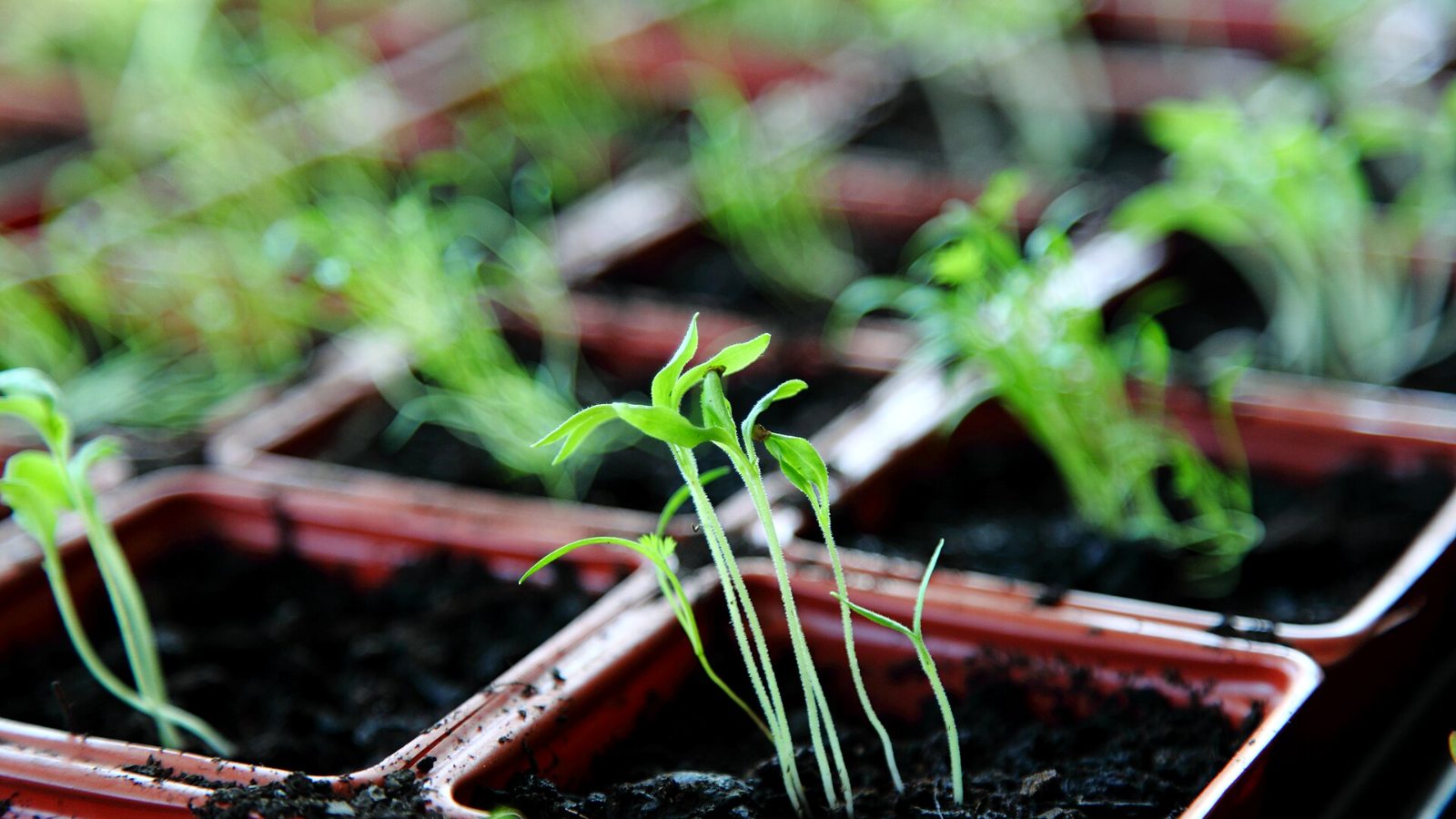
Featured image: Free Organic Green Spring Plant Seedlings in Natural Window Light Creative Commons (). Photo: Pink Sherbet Photography from Utah, USA (CC BY 2.0), via Wikimedia Commons.


