Organic pest control works best when it starts before a spray bottle appears. Healthy plants, correct identification, barriers, hand removal, beneficial insects, and timing often matter more than homemade remedies that burn leaves or do little to the pest.
Not every insect is a pest
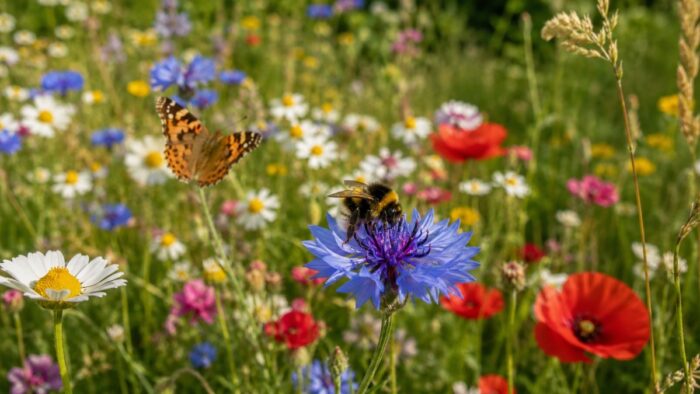
A garden is an ecosystem. Aphids attract lady beetles and lacewings. Caterpillars become butterflies or moths, but some destroy crops. Fungal diseases increase when leaves stay wet. Good pest control separates normal garden life from real crop-threatening problems.
A least-disruptive control sequence
- Inspect plants at least twice a week, especially leaf undersides and new growth.
- Identify the pest before treating. Chewed holes, stippling, sticky residue, and wilting have different causes.
- Use prevention first: spacing, mulch, crop rotation, sanitation, and resistant varieties.
- Try physical controls such as handpicking, row cover, pruning infested growth, or a strong water spray for aphids.
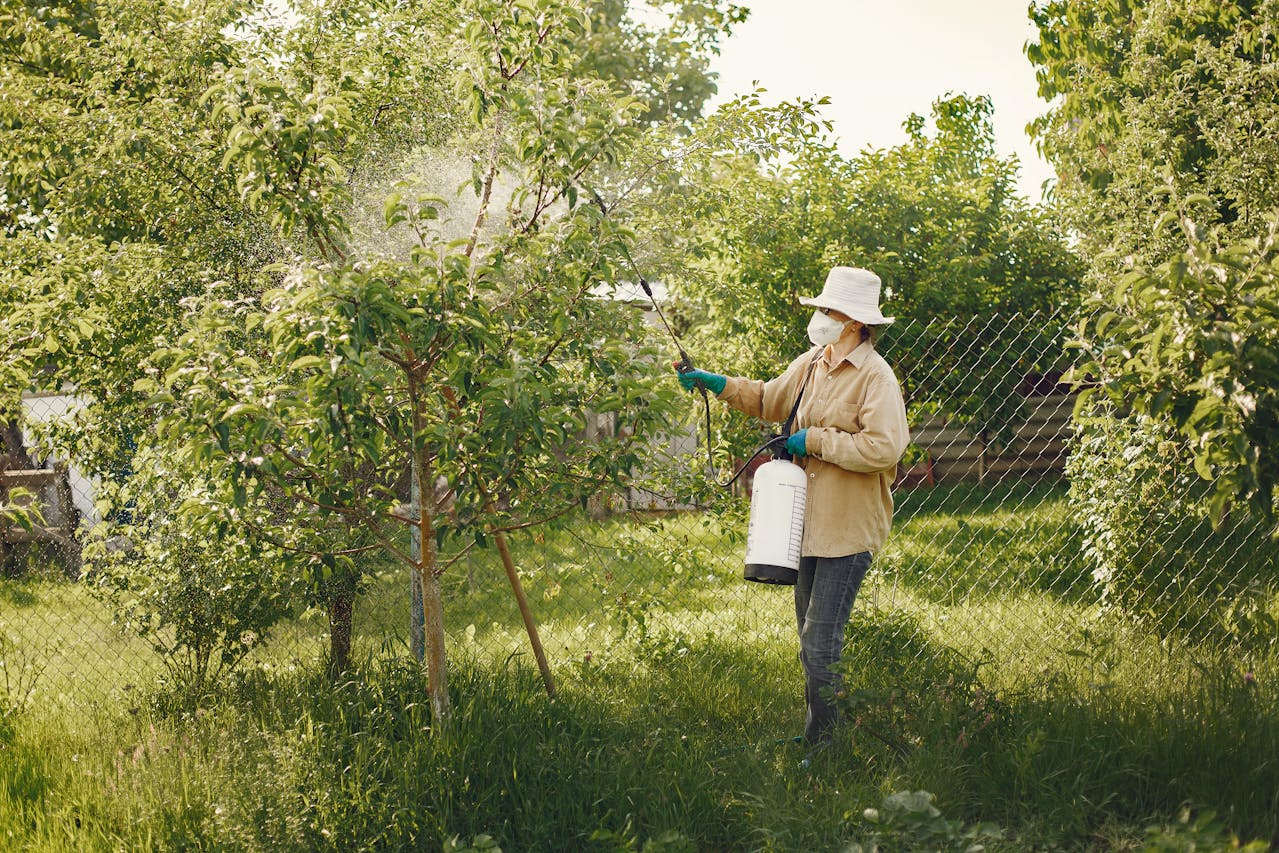
- Use organic pesticides only when needed, and apply them at the right time to reduce harm to pollinators and beneficial insects.
Identify the problem before reaching for a spray
Use integrated pest management: identify the pest, decide whether damage is serious, choose the least disruptive control, and monitor results. Organic does not automatically mean harmless, so use any product carefully and according to the label.
Simple monitoring and treatment supplies
Useful purchases include lightweight row cover, insect netting, sharp pruners, yellow sticky cards for monitoring, and a labeled organic product suited to a specific pest. Avoid buying several sprays before you know what pest you have.
When a treatment should stop
A control method has done enough when new damage slows and the plant resumes healthy growth. Old holes and scars will not disappear. Repeating sprays simply because damaged leaves remain visible can injure plants and reduce beneficial insects.
Set a review date before treating. Check the same leaves, count pests on a few marked stems, or compare sticky cards. This turns pest control into observation rather than guesswork and helps prevent unnecessary applications.
Deciding when damage is acceptable
A few chewed leaves do not always justify treatment. Mature plants can tolerate minor feeding, and some insects are temporary visitors. Mark damaged leaves and check whether new injury appears over several days.
This threshold approach protects beneficial insects and saves time. Treatment becomes more reasonable when pests are increasing, new growth is affected, or the crop is approaching a vulnerable stage.
Barriers, sanitation, timing, and beneficial insects
Row covers protect young brassicas from cabbage worms and flea beetles but must be removed for crops that need pollination.
Insecticidal soap can help with soft-bodied insects but must contact the pest and can damage stressed plants.
Neem products vary by formulation and should not be treated as a cure-all.
Beneficial insects need habitat and a reduced pesticide environment to stay in the garden.
Removing diseased leaves and improving airflow often slows problems more effectively than repeated sprays.
Why broad treatments often backfire
- Spraying first and identifying later.
- Using dish soap mixtures that are not designed for plants.
- Spraying flowers during pollinator activity.
- Expecting one organic product to solve insects, mites, fungi, and nutrient stress.
Start with diagnosis and a tolerable threshold
Not every chewed leaf needs treatment. Many established plants can lose a small amount of foliage without a meaningful drop in harvest. First identify the plant, the damaged part, and whether the problem is increasing. Look under leaves, inspect at different times of day, and check for beneficial insects before deciding to intervene.
When action is needed, begin with the least disruptive step: hand removal, pruning a limited infected area, improving airflow, or using a barrier. The article on diagnosing plant problems before spraying provides a slower decision process, while natural weed control shows how timing and prevention can reduce repeated treatment. If a pesticide is necessary, use a product labelled for the plant and pest, and follow the label rather than an online mixing recipe.
Organic pest-control questions
Is organic pest control safe for bees?
Some organic products can still harm pollinators. Avoid spraying open flowers and follow the product label carefully.
What is the best first step for aphids?
A strong spray of water, pruning heavily infested tips, and encouraging beneficial insects often work before pesticides are needed.
Do homemade sprays work?
Some may appear to work but can damage leaves or soil. Use tested methods and labeled products rather than random recipes.
How can I prevent pests next season?
Rotate crops, clean up diseased debris, choose resistant varieties, improve spacing, and inspect early before populations build.
When damage continues after treatment
If pests return after treatment, check whether eggs were left behind, the product missed leaf undersides, or the plant is stressed. If leaves continue to yellow without pests present, investigate watering, roots, nutrients, and disease.