Transplant Shock: Why Plants Wilt After Moving and How to Help
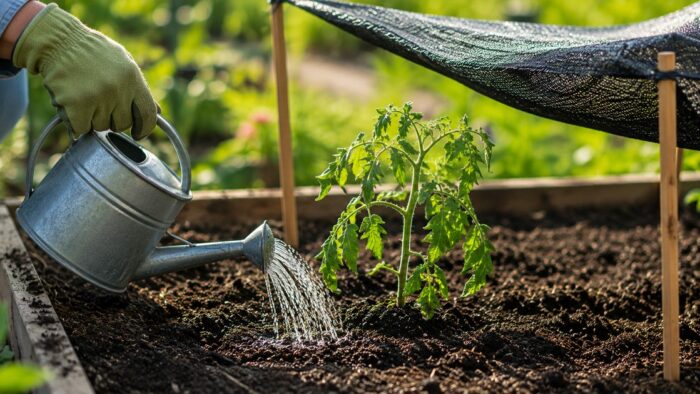
Understand why plants wilt after transplanting, reduce root and weather stress, and recognise when drooping is normal adjustment versus a more serious problem.
I am a dedicated content professional with extensive experience creating well-researched articles, blogs, journals, and industry-focused content across multiple niches. My work is driven by in-depth research, fact verification, and a commitment to delivering accurate, valuable, and reader-focused information.
Understand why plants wilt after transplanting, reduce root and weather stress, and recognise when drooping is normal adjustment versus a more serious problem.
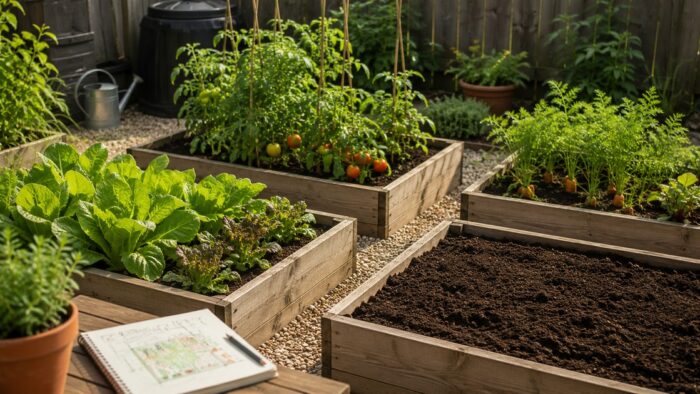
Grow straighter, sweeter carrots by choosing a suitable variety, preparing loose soil, keeping the seedbed moist, thinning seedlings, and harvesting without breakage.
Plan crop rotation by plant family, disease risk, and available space without pretending a small garden can follow a perfect four-year farm rotation.
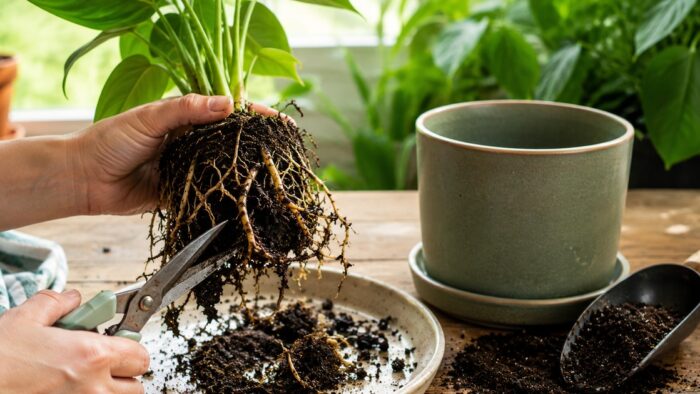
Recognise damaged houseplant roots, decide whether repotting is justified, remove unhealthy tissue carefully, and rebuild a watering routine that supports recovery.
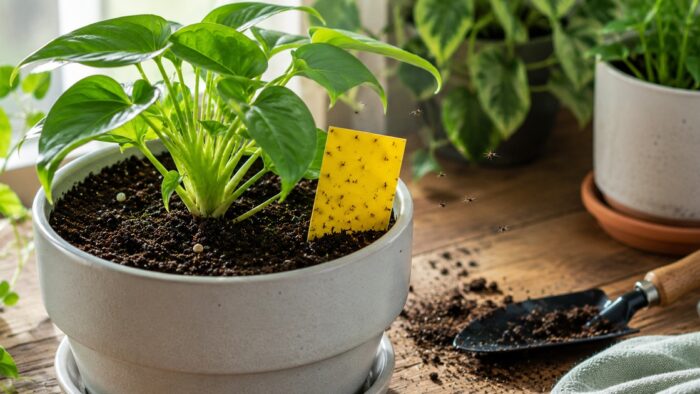
Identify fungus gnats, reduce the damp conditions that support larvae, use traps wisely, and protect houseplant roots without drying every plant severely.
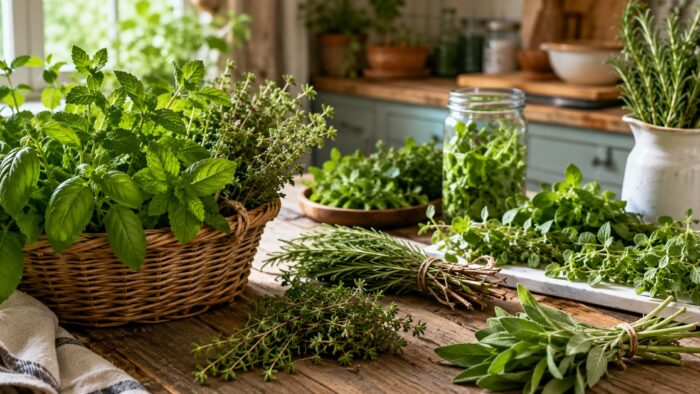
Harvest herbs for better regrowth and preserve them by drying, freezing, or preparing small safe batches that suit how you cook.
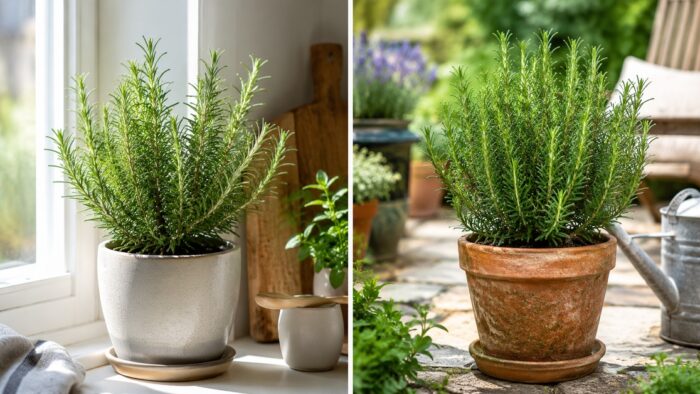
Grow rosemary in pots with strong light, fast drainage, careful watering, regular harvest, and a practical plan for moving it indoors.
Grow raspberries in a large container with suitable support, steady moisture, correct pruning, and a realistic winter protection plan.
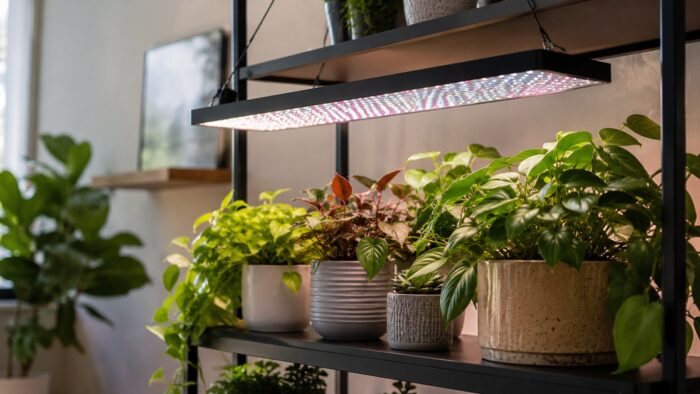
Choose and position grow lights for houseplants by matching coverage, distance, timing, and intensity to the plants you are growing.
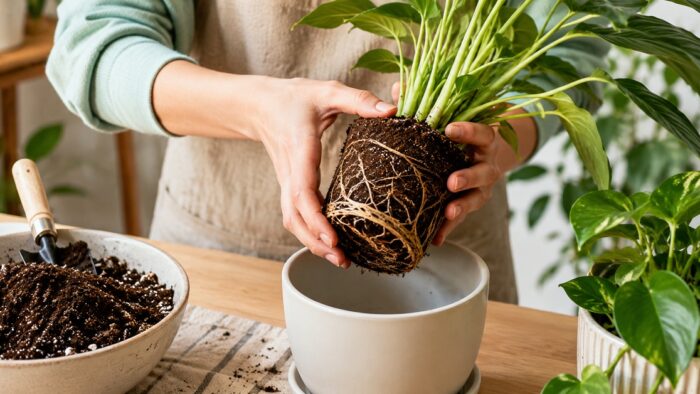
Repot a houseplant with less root damage by choosing the right pot, loosening roots carefully, and managing watering during recovery.