Herbs taste best when harvest and preservation match the plant. Tender leaves such as basil bruise and lose aroma differently from woody herbs such as rosemary and thyme. Mint, parsley, and cilantro also respond to cutting in their own way. Good harvesting begins with healthy plants, including well-branched basil and controlled container mint.
Harvest at the right stage
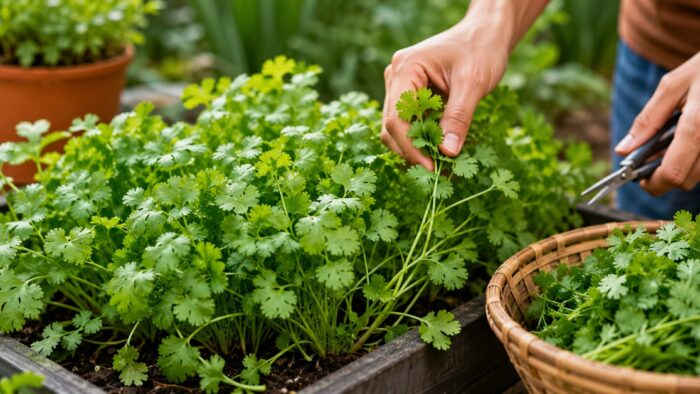
For leafy herbs, cut before flowers dominate if you want the softest texture and strongest leaf production. Use clean scissors and harvest after dew has dried but before leaves wilt in intense heat. Avoid taking wet foliage for drying because trapped moisture encourages spoilage.
Cut in a way that supports regrowth
Basil responds well to cuts just above a leaf pair. Parsley is harvested from the outer stalks near the base. Chives can be cut in small sections rather than shearing the entire clump repeatedly. Rosemary and thyme should be taken from green growth, leaving enough foliage on the plant.
Short-term storage in the kitchen
Many fresh herbs last longer when kept cool and dry enough to avoid decay. Basil is sensitive to chilling and may keep better at room temperature with stems in water for a short period. Parsley and cilantro can be stored with the stem ends hydrated and leaves loosely covered. Check frequently and remove damaged leaves.
Air drying
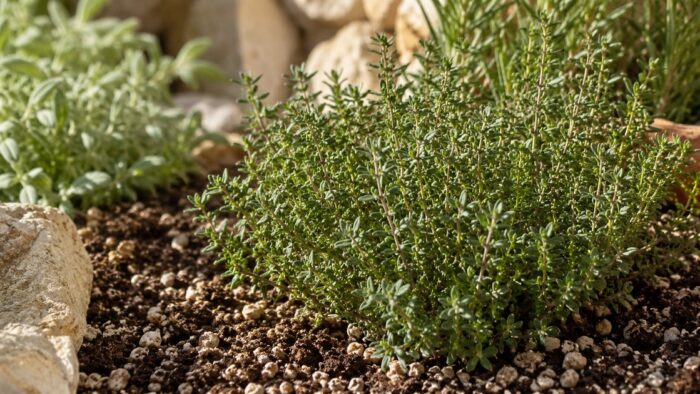
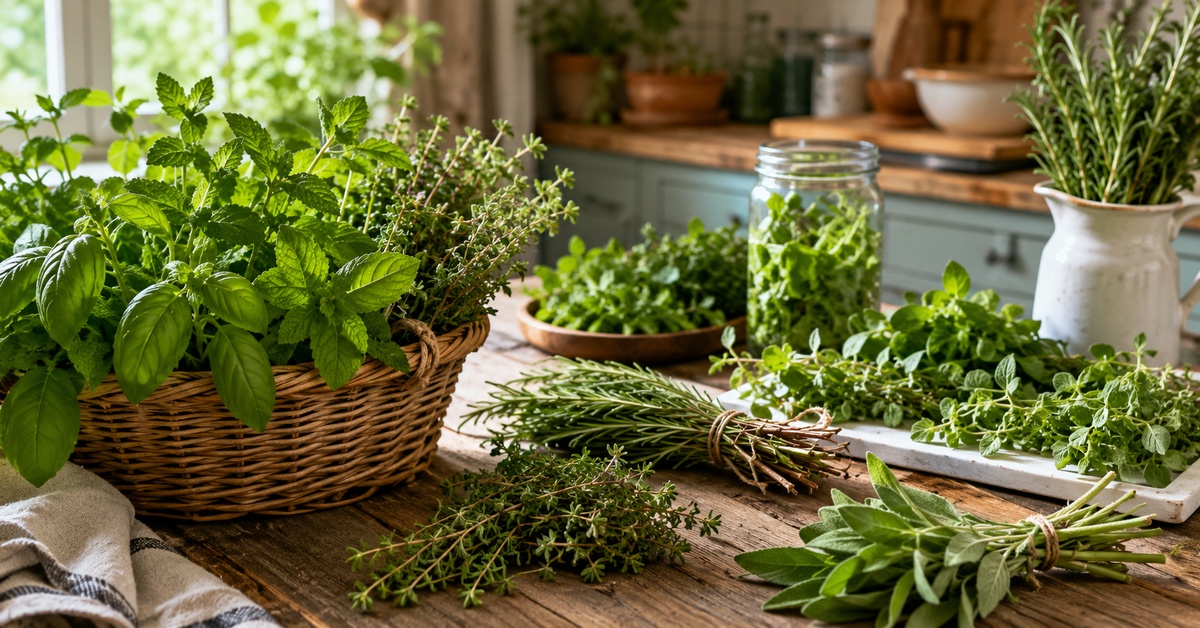
Drying suits herbs with relatively low moisture, including rosemary, thyme, oregano, and sage. Tie small bundles or spread leaves in a single layer in a warm, shaded, well-ventilated place. Large dense bunches dry slowly and may develop mould.
Leaves are ready when they crumble cleanly. Strip them from stems and store them away from heat, moisture, and direct light.
Freezing tender herbs
Basil, parsley, cilantro, chives, and mint often retain useful flavour when frozen, although texture softens. Wash only when necessary, dry thoroughly, chop, and freeze in small portions. Herbs can also be frozen with a small amount of water or cooking oil in trays when the final use suits that method.
Making herb butter, pesto, and infused products
Prepared foods can be convenient, but storage safety matters. Refrigerate or freeze herb butter and pesto promptly. Homemade oils containing fresh herbs require careful food-safety handling because low-oxygen conditions can support harmful bacteria. Use a tested recipe from a reliable food-preservation source rather than improvising shelf-stable infused oil.
Label everything
- Herb name and variety
- Harvest date
- Drying or freezing method
- Any added ingredients
- Intended use
- A discard date for prepared mixtures
What to keep for seed
Cilantro, dill, fennel, and some basil varieties can be allowed to flower and set seed. Keep seed from healthy plants, dry it fully, and store it in a labelled envelope inside a cool, dry container. Separate culinary seed from planting seed so you do not accidentally use treated or unsuitable material.
Preserve only what you will use
A few small batches made at peak quality are usually more valuable than jars of old herbs. Review the pantry before the next harvest. If last year’s dried leaves still have little aroma, reduce the batch and focus on freezing or fresh use.
Quality checks before storage
Discard leaves with mould, severe pest damage, or signs of decay. Preservation does not improve poor material. Wash herbs only when needed, then remove surface water thoroughly. A salad spinner and clean towels can shorten drying time before freezing or dehydration.
Store dried herbs whole when possible and crush them during cooking. Whole leaves generally retain aroma longer than finely ground material. Use clean dry jars and check them during the first week for condensation.
Food safety matters with fresh herbs
Fresh herbs can carry soil and microbes, while oil, moisture, and room temperature can create unsafe storage conditions. Refrigerate fresh preparations and follow tested preservation guidance for infused oils, vinegars, pesto, and canned products. Gardening knowledge does not replace food-safety instructions once the harvest enters the kitchen.
Building a preservation routine
Set aside a small tray, scissors, labels, and containers before the main harvest. Process one herb at a time so varieties are not mixed and leaves do not sit warm for hours. Record which method kept the best flavour. A household that cooks with basil in sauces may prefer frozen portions, while someone using rosemary in bread may value dry whole leaves. Preservation works best when the method follows actual cooking habits.
Match the preserving method to the way you cook
Drying is convenient for sturdy herbs such as thyme, rosemary, oregano, and sage. Freezing usually preserves the flavour of tender herbs such as basil, parsley, cilantro, and chives more effectively. Small portions are easier to use than a large solid block.
Harvest clean, healthy growth and remove damaged leaves before storage. The branching method in the basil guide supports repeated harvests, while the dill guide separates leaf harvest from seed harvest. Label containers with the herb and date, and discard preserved material that develops mould, unusual moisture, or an off smell.
Harvesting and preserving herbs: quick answers
Is freezing or drying better for flavor?
It depends on the herb. Tender herbs like basil generally hold more flavor frozen, while woody herbs like rosemary and thyme dry well with little loss.
How long do dried herbs stay potent?
Most hold good flavor for six to twelve months when stored away from light and heat, then gradually fade.
Can herb butter or pesto be frozen safely?
Yes, both freeze well and are a practical way to preserve a flavor combination rather than a single dried ingredient.