Crop rotation is simple in a field and awkward in a four-bed garden. The principle is still useful: avoid growing the same plant family in the same soil repeatedly when pests, diseases, or nutrient patterns make that risky. The plan has to fit the space you actually have rather than imitate a commercial farm diagram.
Group crops by family first
Tomatoes, peppers, eggplants, and potatoes belong to the nightshade family. Cucumbers, squash, melons, and pumpkins are gourds. Cabbage, kale, broccoli, radishes, and turnips are brassicas. Carrots, parsley, cilantro, and dill share another family. Recording families makes the rotation easier to understand than memorising individual crops.
Prioritise the crops with recurring problems
If tomatoes have suffered a soil-borne disease, moving nightshades matters more than moving a healthy row of lettuce. Rotation cannot remove every pathogen, and some survive for years, but it can reduce repeated pressure. Remove diseased debris, use clean transplants, and avoid carrying soil on tools from an affected bed.
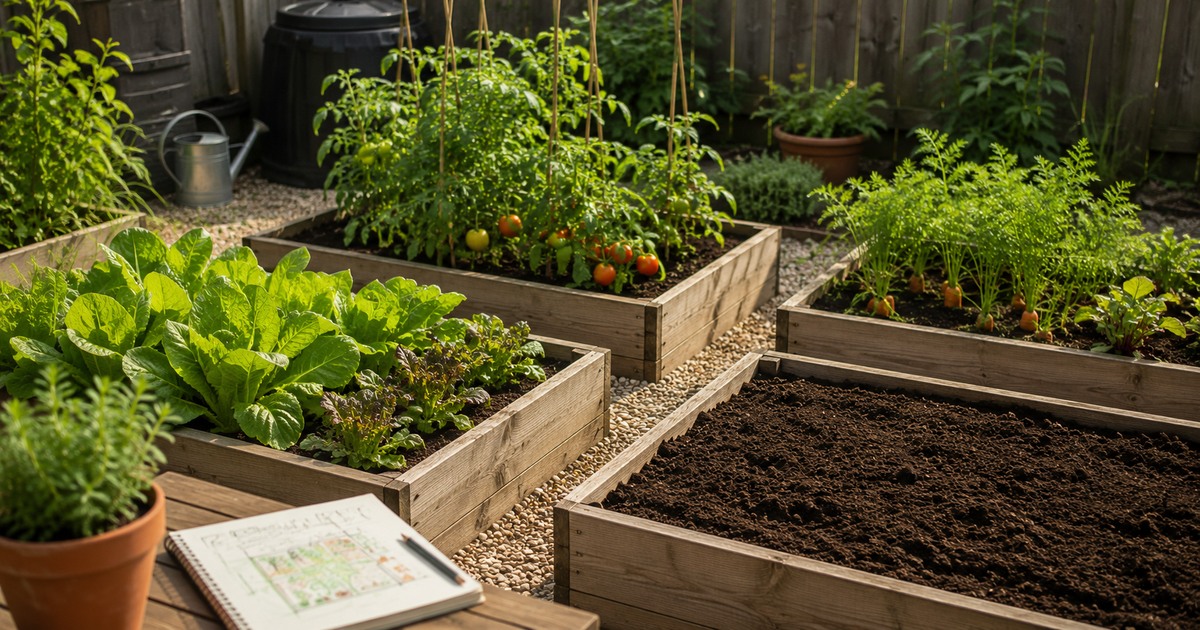
A three-bed example
- Bed one: tomatoes and peppers, followed by a winter cover or mulch.
- Bed two: beans, lettuce, and carrots.
- Bed three: cucumbers and squash with flowers at the edge.
The next year, shift each group one bed. This is not perfect because mixed plantings contain several families, but it is better than putting tomatoes in the same corner indefinitely.
Use containers as extra rotation space
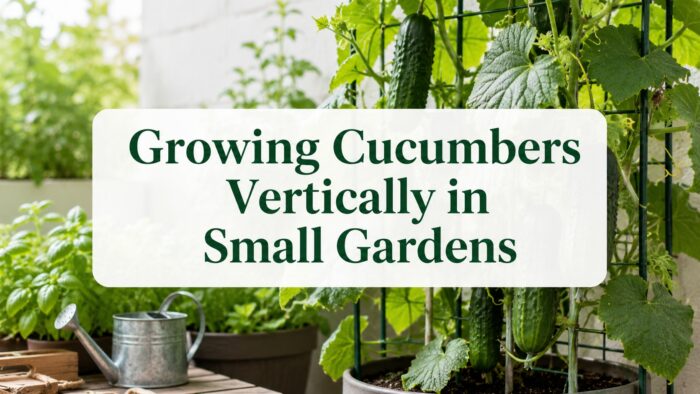
Large containers can hold a tomato, pepper, or cucumber for one season while a problem bed rests. Replace contaminated potting mix when disease is confirmed rather than moving it to the garden. The container strategies in the small-space vegetable guide can expand the rotation without adding permanent beds.
Rotation does not replace soil care
Keep organic matter, pH, and drainage suitable across every bed. Legumes do not automatically supply enough nitrogen for the next crop in a small garden, especially when most plant material is harvested or removed. Use soil tests and the gradual approach in the soil health guide.
Keep a simple map
Take one photo or draw one plan each season. Include volunteer plants and late crops. Memory becomes unreliable after winter, while a basic record makes patterns obvious. When space is too limited for meaningful rotation, focus on resistant varieties, sanitation, diverse planting, healthy soil, and accurate diagnosis.
A family map for common crops
| Family | Common garden crops | Useful rotation note |
|---|---|---|
| Nightshade | Tomato, pepper, potato, eggplant | Pay attention to recurring soil-borne diseases |
| Brassica | Cabbage, kale, broccoli, radish | Share several insects and diseases |
| Gourd | Cucumber, squash, melon, pumpkin | Need space and can leave substantial vines |
| Legume | Bean, pea | Do not assume they replace all nitrogen needs |
| Carrot | Carrot, parsley, cilantro, dill | Include herbs on the rotation map |
| Onion | Onion, garlic, leek, chive | Often occupy beds for a long season |
Rotation with only one or two beds
Divide a bed into zones and move the highest-risk family to a different zone the next year. Use large containers as temporary extra ground. If tomatoes must return to the same property, improve spacing, use resistant varieties, remove infected debris, and avoid reusing stakes without cleaning. Rotation is helpful, but it is not magic.
Perennial crops need permanent space
Asparagus, rhubarb, strawberries, and perennial herbs do not fit an annual rotation. Place them where they can remain, maintain sanitation, and rotate annual crops around them. Avoid using the perennial bed as a dumping place for diseased annual residues.
Cover crops and fallow periods
A cover crop can protect soil and add roots between vegetable seasons, but choose a species suited to the climate and termination date. In a very small garden, a layer of organic mulch may be more manageable than a cover crop that becomes difficult to remove before spring planting.
What rotation cannot solve
- Airborne diseases arriving from nearby gardens
- Insects that move easily across the property
- Poor drainage or compaction in every bed
- Contaminated transplants or seed
- Persistent pathogens that survive longer than the chosen rotation
Turn records into decisions
At the end of each season, note family, variety, disease, pest pressure, and harvest quality. A photograph is useful, but a short sentence about what failed is even better. After several years, the map becomes a local guide rather than a generic rotation diagram.
Crop rotation in small gardens: quick answers
Is crop rotation really necessary in a small garden?
It matters most for crops with recurring pest or disease problems. Avoiding repeated same-family plantings in one bed matters more than a rigid multi-year plan.
Can containers be used as extra rotation space?
Yes, container-grown crops can effectively extend a rotation plan when in-ground bed space is limited.
Do perennial crops need to be rotated too?
No. Perennials like asparagus or berries need permanent space and sit outside the annual rotation entirely.