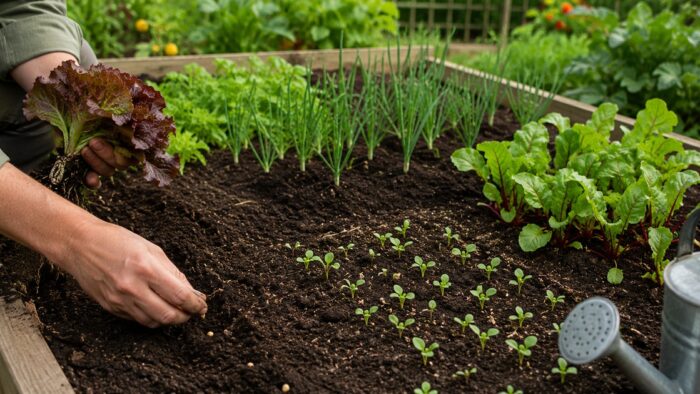
Succession Planting: How to Keep a Small Garden Productive
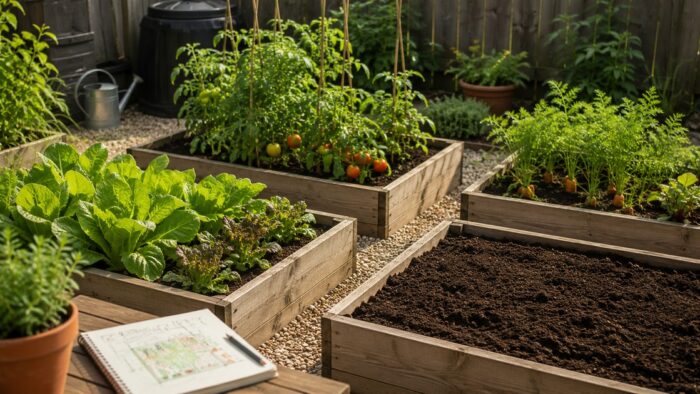
Use repeat sowing, follow-on crops, and staggered harvest dates to keep beds and containers productive without planting more than you can manage.
Browse our latest articles on houseplants, vegetables, fruit, herbs, soil, tools, pests, and seasonal garden care.
Each guide focuses on practical costs, maintenance, safety, comfort, environmental impact, and choices that work in real homes.
Use repeat sowing, follow-on crops, and staggered harvest dates to keep beds and containers productive without planting more than you can manage.
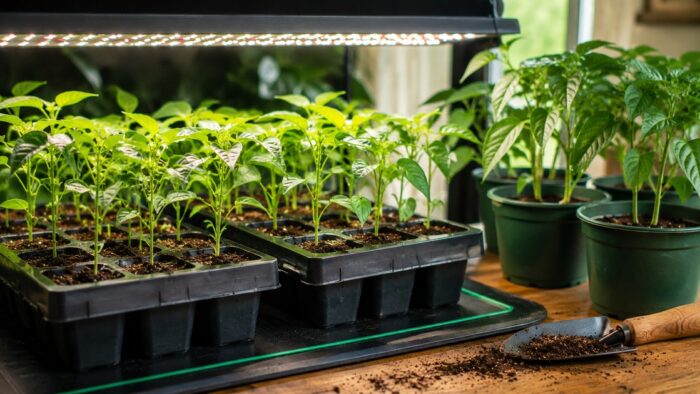
Start pepper seeds with enough warmth and light, prevent stalled seedlings, transplant after cold nights pass, and support steady flowering and fruit development.
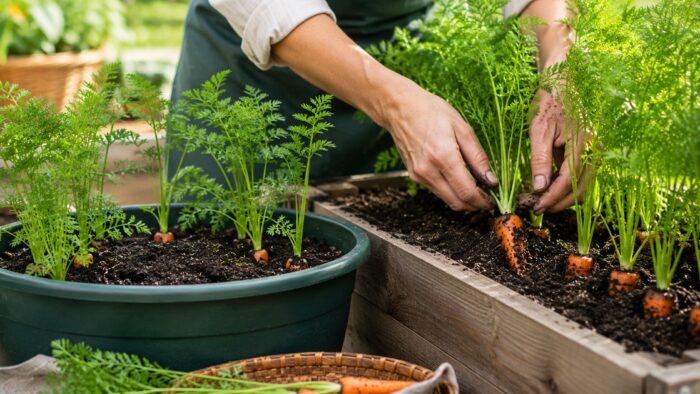
Grow straighter, sweeter carrots by choosing a suitable variety, preparing loose soil, keeping the seedbed moist, thinning seedlings, and harvesting without breakage.
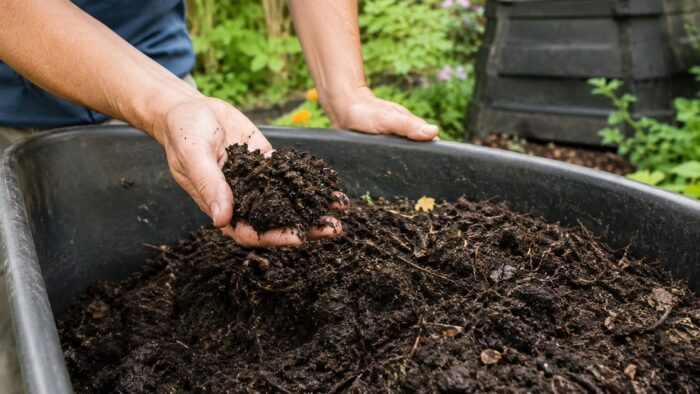
Check compost temperature, smell, texture, moisture, and plant response before using it around seedlings, in beds, or as a component of container mixes.
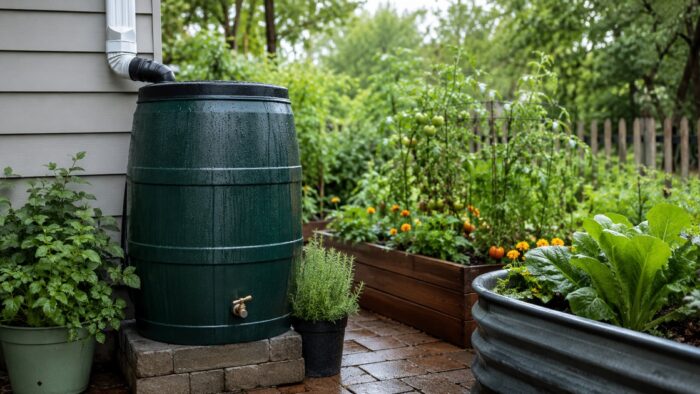
Set up a stable covered rain barrel, manage overflow and mosquitoes, use collected roof water cautiously, and understand how little storage a garden can use in hot weather.
Plan crop rotation by plant family, disease risk, and available space without pretending a small garden can follow a perfect four-year farm rotation.
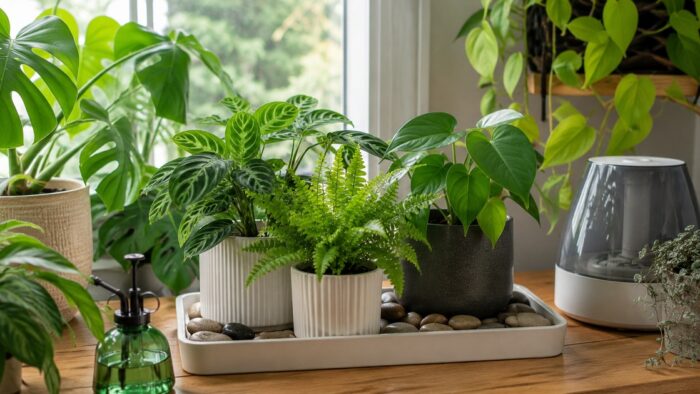
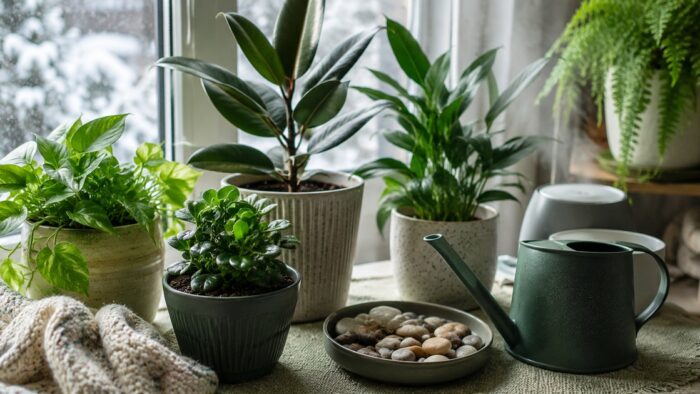
Understand which houseplants benefit from higher humidity, what misting really changes, and how to improve indoor conditions without creating wet leaves or mould.
Adjust houseplant light, watering, temperature, feeding, and pest checks during shorter winter days without forcing plants to grow as if it were summer.
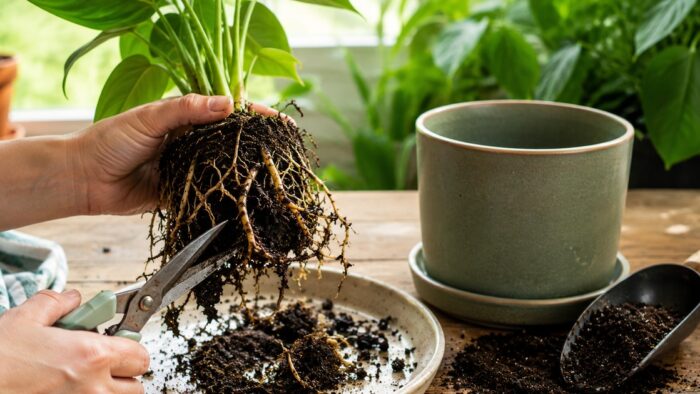
Recognise damaged houseplant roots, decide whether repotting is justified, remove unhealthy tissue carefully, and rebuild a watering routine that supports recovery.
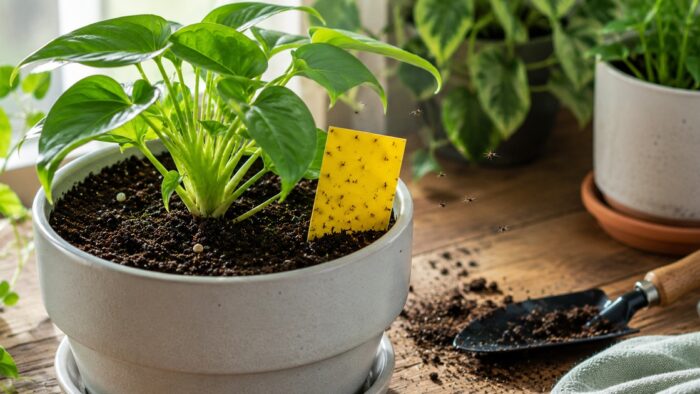
Identify fungus gnats, reduce the damp conditions that support larvae, use traps wisely, and protect houseplant roots without drying every plant severely.