An indoor herb garden sounds simple: a sunny windowsill, a few pots, and fresh basil whenever dinner needs it. In practice, most indoor herb gardens fail because the light is weaker than expected and the herbs chosen are better suited to outdoor summer conditions.
Light is the hardest part indoors
Start with the right herbs, strong light, drainage, and realistic expectations. Parsley, chives, mint, thyme, oregano, and some compact basil varieties are better indoor candidates than a large rosemary plant in a dark kitchen.
Kitchen windows are not always growing spaces
Culinary herbs evolved under different conditions. Mediterranean herbs prefer sun and fast drainage. Soft leafy herbs need steadier moisture. Indoors, the challenge is not just keeping herbs alive; it is producing enough new growth to harvest without weakening the plant.
Build a small herb station
- Choose a bright south or west-facing window, or use a full-spectrum grow light on a timer.
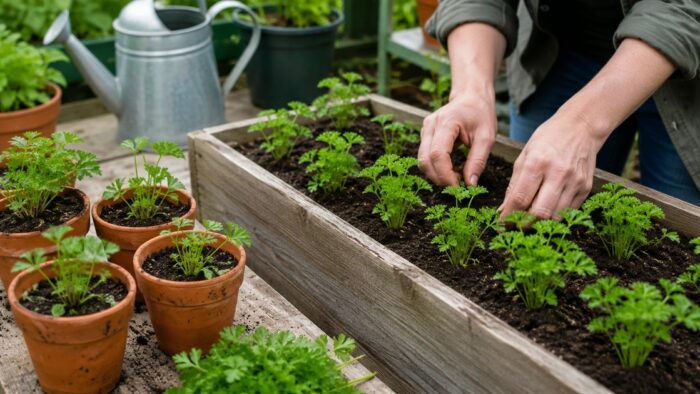
- Plant herbs in individual pots so each can be watered according to its needs.
- Use a lightweight potting mix and containers with drainage holes.
- Harvest lightly at first. Let plants establish roots before taking frequent cuttings.
- Replace short-lived herbs when they decline. Indoor gardens are productive systems, not permanent decorations.
Matching herbs to indoor conditions
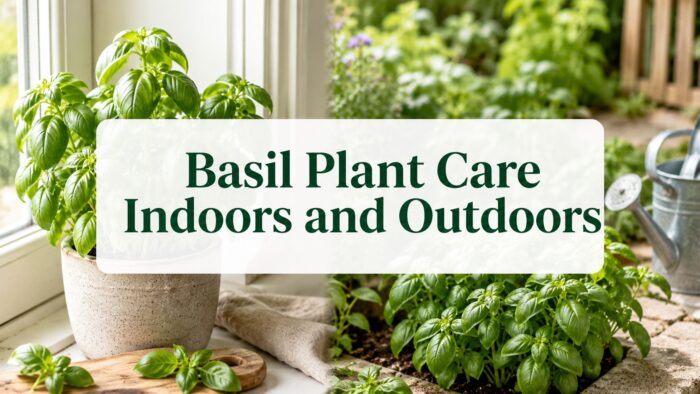
Basil needs much stronger light than many people expect. Without it, stems stretch and leaves become sparse.
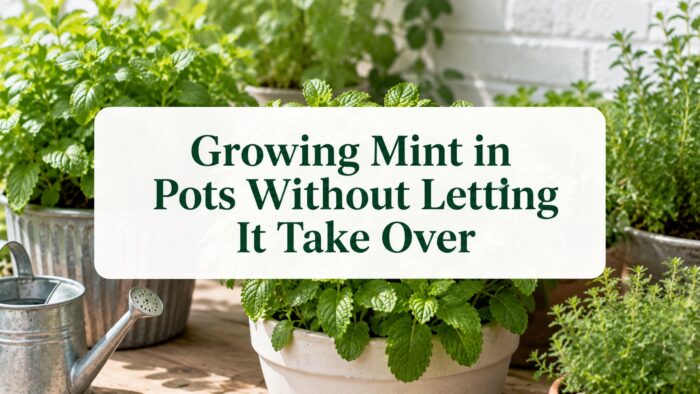
Mint grows aggressively outdoors but is manageable indoors when confined to its own pot.
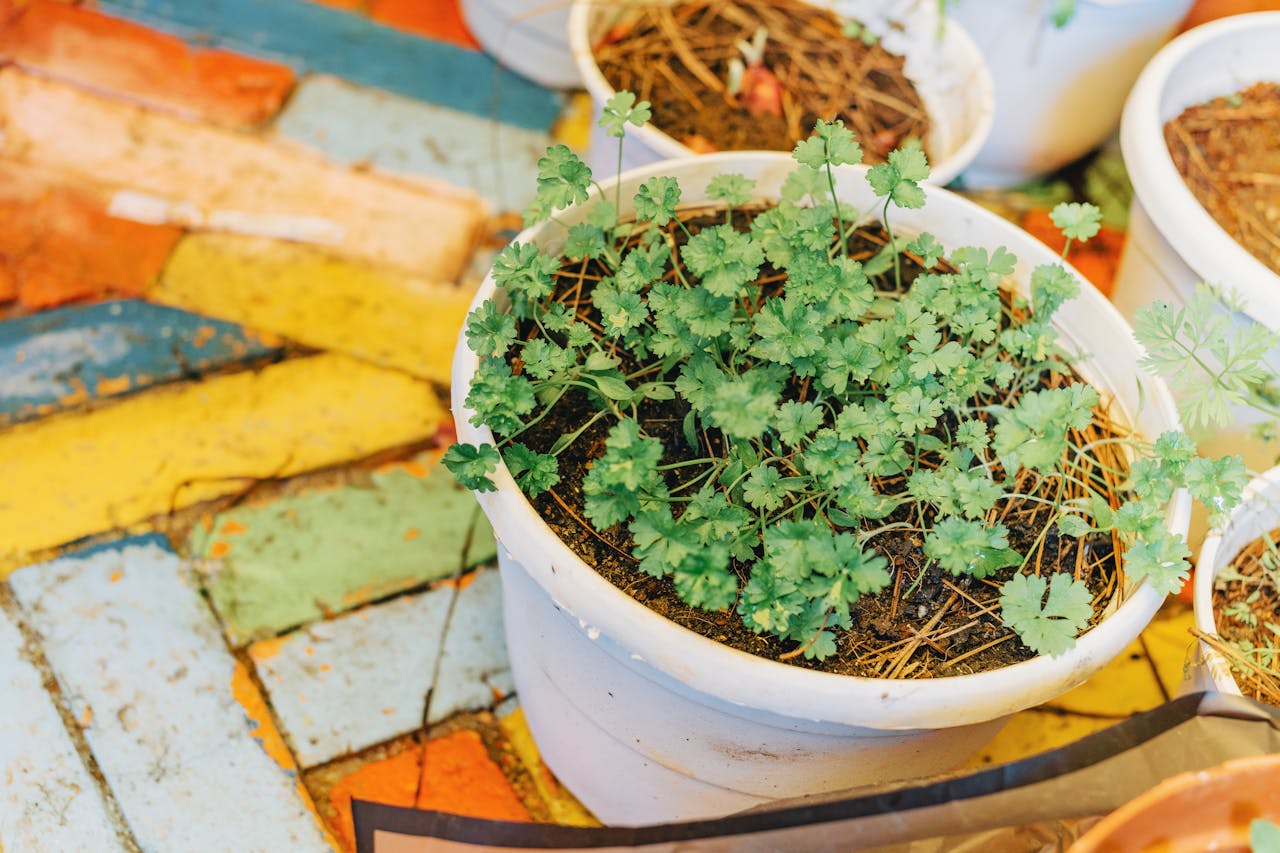
Parsley is forgiving but slow from seed, so many beginners do better with a healthy transplant.
Thyme and oregano dislike soggy soil. Let the mix dry more than you would for parsley or cilantro.
Chives can be cut repeatedly if the plant receives enough light and is not harvested to the soil line every time.
Choose herbs by how you cook
An indoor herb garden is more successful when it reflects the kitchen. Basil, parsley, chives, and mint are useful because regular harvesting encourages fresh growth. Rosemary and thyme grow more slowly and need brighter light, so they fit a sunny window better than a dim countertop.
Start with two herbs you use every week. Learn how quickly their pots dry and how much regrowth follows a cut. A small, productive setup gives better value than many weak plants that are harvested once and then decline.
Indoor herbs through the darker months
Growth usually slows when days shorten, even under a bright window. Reduce harvesting until plants are producing enough new leaves to replace what is cut. Check whether pots stay damp longer and move them away from cold glass or hot vents.
Supplemental lighting can keep herbs useful, but a winter setup should remain practical. A timer, a washable tray, and enough space to reach every pot are more valuable than crowding many species under one lamp.
Containers, lights, and harvesting tools
If you cook often, buy starts for slow herbs and seeds for quick annual herbs. A simple adjustable grow light often matters more than a fancy self-watering planter. Choose pots that fit under the light without leaves touching the fixture.
Why indoor herbs become thin or weak
- Putting all herbs in one trough even though they need different watering.
- Harvesting more than one-third of a small plant at once.
- Expecting supermarket herb pots to last for months without dividing or repotting.
- Keeping herbs too far from the window because the counter looks better.
Leggy stems, dry tips, and slow regrowth
Leggy herbs need more light or more frequent pinching. Yellow leaves can mean poor drainage, weak light, or exhausted nutrients. Brown leaf edges often point to dry soil, hot airflow, or roots crowded in a tiny nursery pot.
Design the herb garden around how you cook
A kitchen herb garden is easier to keep when it reflects actual meals. If you cook with basil twice a week, give it the brightest position and enough room to branch. If mint is used only occasionally, keep it in its own pot rather than allowing it to dominate the whole container. Grouping herbs only because they look good can create watering conflicts.
Harvesting is part of the design. Leave enough access to pinch basil above a leaf pair and cut parsley or cilantro from the outside. The pruning approach in the basil care guide helps delay flowering, while the mint container guide explains how to contain spreading roots. A smaller set of herbs used regularly is more productive than a crowded window box filled with plants that need different light and moisture.
Indoor herb questions
What herbs grow best indoors?
Parsley, chives, mint, thyme, oregano, and compact basil are good choices when they receive enough light.
Do indoor herbs need fertilizer?
Yes, but lightly. Use a diluted balanced fertilizer during active growth, especially after repeated harvests.
Can I grow herbs indoors without a grow light?
You can if you have a very bright window. In many homes, a grow light makes the difference between survival and real harvest.
How do I harvest herbs without killing them?
Cut above a leaf node, take small amounts often, and leave enough foliage for the plant to keep growing.