A vegetable garden layout is not about looking tidy on paper. It decides how far you walk, how easily you water, how much you can grow in the space you have, and whether the garden still feels manageable in August. Choosing the right structure at the start saves a season of frustration.
Three things that come before the layout
Map the sun first. Note where shade falls in the morning and late afternoon, and remember that shade from buildings and fences moves considerably between spring and midsummer. Second, locate the water source – a bed more than a hose length from a tap will be watered less often, whatever your intentions. Third, decide where you will walk. Compacted soil is the enemy of root growth, so permanent paths are worth the space they cost.
Traditional rows
Long single rows with walking space between them remain the right answer for large, open plots and for machinery. They suit potatoes, sweetcorn, brassicas and anything you grow in volume. The trade-off is that a large share of the ground becomes path, and rows dry out faster at the edges.
Raised beds
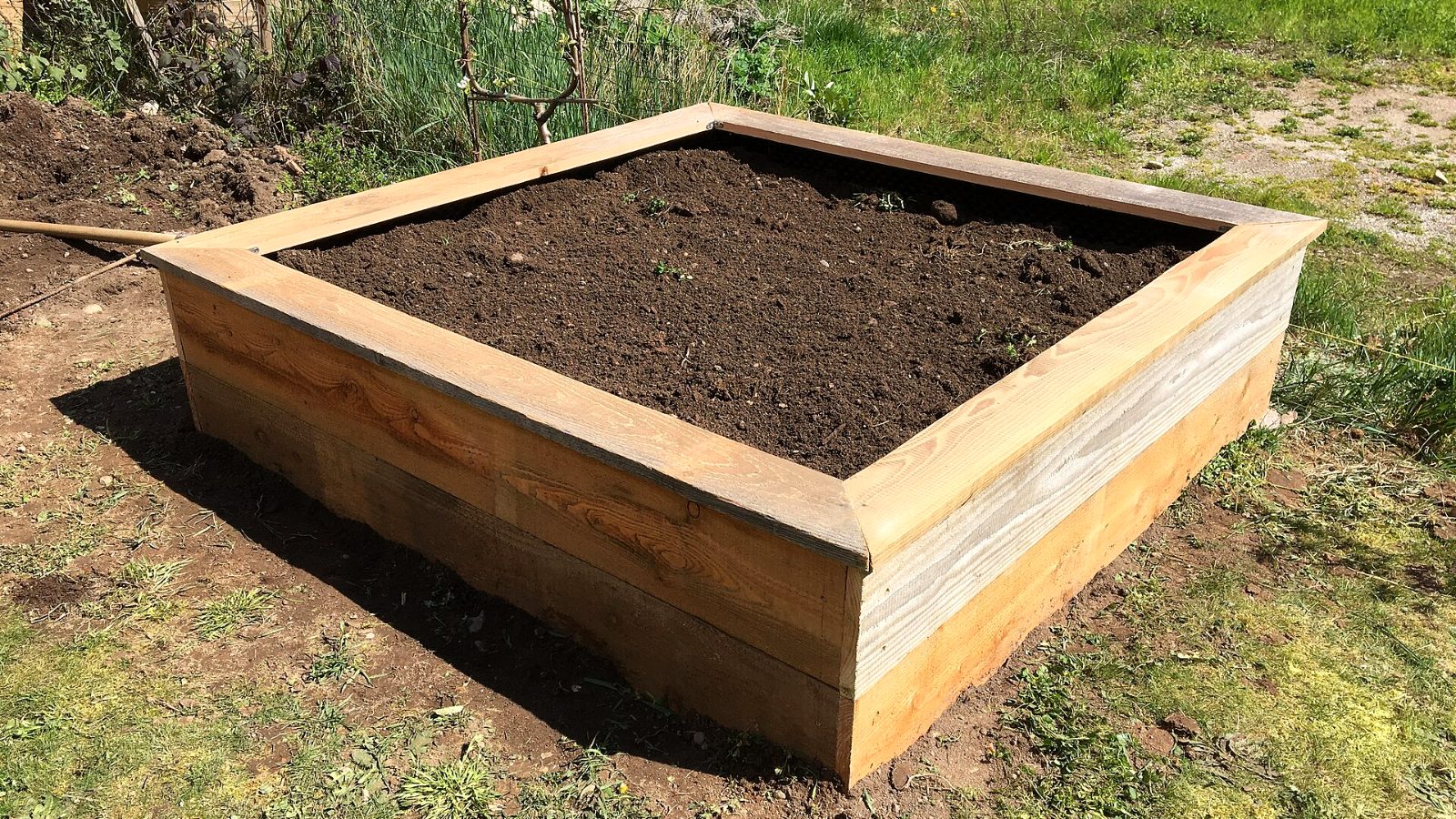
A raised bed between 1.0 and 1.2 metres wide lets you reach the centre from both sides without stepping on the soil. Any wider and you will tread on it eventually. Keep them under four metres long or you will walk around the end constantly. Raised beds warm earlier in spring, drain better in wet climates and let you build good soil even over poor ground. Three beds of 1.2 x 3 metres is a realistic and productive first garden.
Square foot grid
Dividing a bed into 30 cm squares and assigning each square a crop and a plant count turns planning into arithmetic. One tomato per square, four lettuce, nine spinach, sixteen radish. It is excellent for beginners because it prevents the two classic errors of sowing too thickly and leaving ground bare. It works best in raised beds with rich soil, since the planting density is high.
Intensive block planting
Instead of rows, plant in wide blocks with plants spaced equally in all directions. Leaves meet sooner, which shades the soil, suppresses weeds and cuts watering. Block planting typically produces more per square metre than rows, though it makes hoeing harder and air circulation lower – worth watching in humid climates.
Potager and edible borders
If the garden is visible from the house, mixing vegetables with flowers and herbs makes it something you want to look at. Curved beds, a central path, and height at the back all borrow from ornamental design. Practically, flowers bring pollinators and predatory insects, and the garden stays attractive in the gaps between crops.
Vertical and edge space
Every garden has more surface than floor. Climbing beans, cucumbers, peas, cherry tomatoes and small squash can all go upward on netting, tripods or a fence. Growing vertically frees the ground beneath for salad or herbs and keeps fruit cleaner and easier to pick. Along a fence or wall, a 40 cm strip can carry a whole crop of beans.
Plan for rotation from the beginning
Group crops by family – brassicas, legumes, alliums, roots, and the tomato and potato family – and move each group to a different bed each year. A four-bed rotation is the simplest version that works. Labelling your beds one to four and keeping a one-page record of what went where takes five minutes a year and prevents soil-borne disease building up.
Paths, access and the details that matter later
Make main paths wide enough for a wheelbarrow, around 60 to 75 cm, and secondary paths at least 30 cm. Leave a hard-standing corner for a water butt, compost bin and tools. Put the crops you harvest constantly – salad, herbs, spring onions – nearest the door, and the ones you visit twice a season, like potatoes and squash, furthest away.
Sketch it before you dig
Draw the space to scale on paper or in a free garden planner, mark north, and shade the areas that lose sun. Place beds, then paths, then crops. A plan you can check in March against what you actually planted in May is also the fastest way to improve next year.
Mistakes That Show Up in Every First Layout
Whatever style you pick, four errors repeat in beginner layouts. Paths too narrow: anything under 45 cm becomes unusable once plants spill over, and you will trample beds to pass. Beds too wide: if you cannot comfortably reach the middle from the path, the far strip becomes a weed nursery; 120 cm is the practical maximum for access from both sides. Tall crops on the south side: trellised beans and corn shade everything behind them, so put climbers on the north edge. And no space reserved for infrastructure: the compost bin, water butt and a spot to stand a wheelbarrow all need a home before plants claim every square metre; our composting guide and rain barrel setup both start with placement for exactly this reason.
Should paths be grass, mulch or paving?
Woodchip over cardboard wins for most gardens: cheap, weed-suppressing, and kind to knees. Grass paths look lovely and demand edging and mowing forever. Whatever you choose, decide at layout time, because retrofitting paths around established beds is twice the work.
Related guides
- Best Vegetables to Grow in Small-Space Gardens
- High-Yield Vegetables for Small Gardens
- Summer Vegetable Garden: What to Plant and When
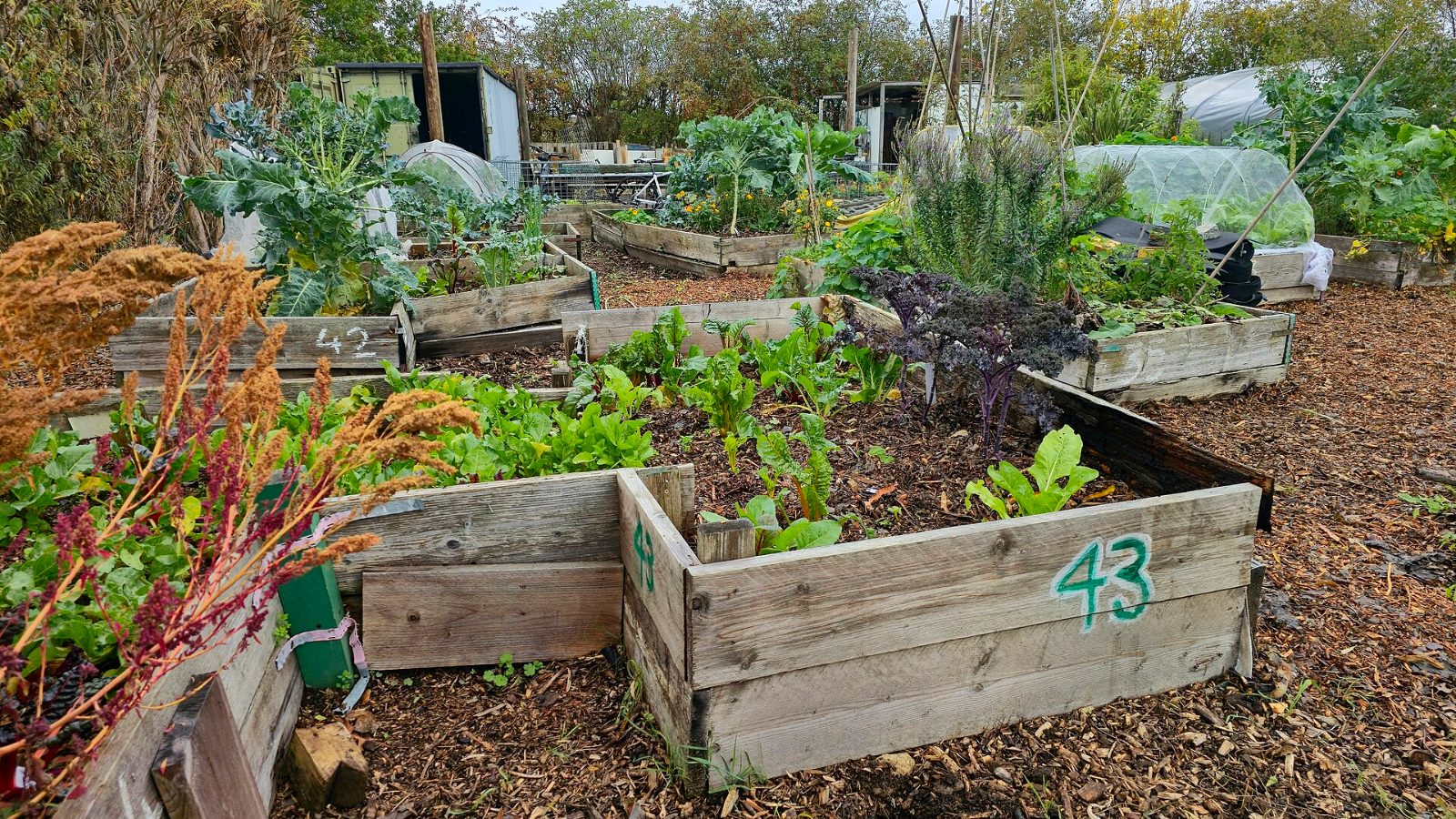
Featured image: Raised vegetable beds Harmony Gardens Broadwater Farm Estate Haringey London England 01. Photo: Acabashi (CC BY-SA 4.0), via Wikimedia Commons.


