A community garden plot is typically 25 to 50 m² (a half or full “rod” in UK allotment terms is 125 or 250 m², much larger), costs the equivalent of a few takeaway meals a year, and comes with rules about cultivation, water, structures and sharing. Before taking one, visit at a weekend, ask about the waiting list, the water supply, whether the soil has been tested, and what happens to plots left uncultivated. In your first season aim to cultivate half of it well rather than all of it badly; plots are usually lost to overwhelm, not lack of knowledge.
Community garden plots at a glance
| Question | Typical answer | Why it matters |
|---|---|---|
| Plot size | 25 to 50 m² community gardens; 125 to 250 m² UK allotments | Halve your ambition for year one |
| Cost | Nominal annual fee plus a deposit; water sometimes extra | Cheap, but time is the real cost: 2 to 4 hours a week in season |
| Cultivation rule | Usually 50 to 75 percent of the plot must be in use by midsummer | Mulch the part you cannot manage; bare soil counts against you |
| Water | Shared taps or butts; hoses often banned | Mulch heavily and grow drought-tolerant crops at the far end |
| Soil | Ask for the last test; many sites were industrial or had years of fertiliser | Test for pH and, in urban sites, lead; raised beds if contaminated |
| Structures | Sheds, greenhouses and fences need permission; height limits common | Check before buying |
| Shared duties | Work days, path mowing, committee | Usually 2 to 4 sessions a year |
| Theft and pests | Produce and tools go missing on open sites; rabbits and pigeons on most | Lock tools; net brassicas and soft fruit |
| Starting a new garden | Needs land (council, church, housing association), a constitution, insurance, water, and 5 or more committed people | Allow 12 months from idea to first planting |
The first job on a new plot is clearing, and the cheapest method is cardboard and compost sheet mulch, see natural weed control, then a soil test, see soil pH testing. Plan the plot in quarters so crop rotation is built in from day one.
Start with a small core group
Three to six committed people is the right size to begin. A larger group at the start generates discussion rather than decisions. Agree early on what the garden is for – individual plots, a shared growing area, food for a local charity, or a mix – because that answer shapes everything else.
Finding land
Likely sources include local council or municipal land, places of worship, schools, housing associations, hospitals and private landowners with an unused parcel. What you need to confirm before any digging:
- Written permission or, far better, a lease of at least three years
- Water access, or a realistic plan to provide it
- Soil history – previous industrial use, demolition rubble or old paint can mean contamination
- Sunlight for at least six hours on the main growing area
- Vehicle access for deliveries of compost and wood chip
A short-term informal arrangement is worth starting with, but do not invest in permanent infrastructure until tenure is secure.
Test the soil
Send samples to a lab for pH, nutrients and heavy metals, particularly lead, on any urban site. If contamination is found, raised beds with imported soil and a membrane beneath are the standard solution, and are often worth doing anyway for drainage and accessibility.
Agree the rules before the first plot is allocated
Write them down and have everyone sign. The clauses that matter most:
- Plot size, annual fee, and what the fee covers
- What happens to a plot that is left uncultivated – usually a written warning and a deadline
- Whether pesticides are permitted
- Shared tasks: paths, water system, compost bays, communal areas
- Rules on structures, hose use, bonfires, dogs and children
- How decisions are made and how disputes are settled
The uncultivated-plot clause is the one people avoid writing and later wish they had. Without it, a handful of abandoned plots seed weeds across the whole site.
Layout and plot size
A plot of 25 to 50 square metres suits most households; full traditional allotment sizes overwhelm beginners. Offer a small starter size and let people upgrade. Keep main paths wide enough for a wheelbarrow, mark plots clearly with numbers, and group communal facilities – water, compost, tool store, seating – in one accessible place.
Include an accessible area with raised beds at standing or seated height. It widens who can take part and often unlocks grant funding.
Money and governance
Open a bank account in the group name, not an individual one. Set a modest annual plot fee that covers water, insurance and shared materials. Public liability insurance is essential before you invite anyone onto the site. Constituting as a formal association or charity takes effort but unlocks grants and protects individual members.
Keeping it running
The failure mode of year two is volunteer burnout. Rotate responsibilities, keep a written list of who does what, and schedule regular shared work sessions with a defined start and finish time rather than open-ended calls for help. Social events matter more than they sound – a harvest meal does more for retention than any rule.
Shared infrastructure worth building early
Three compost bays, a water storage tank fed from any available roof, a lockable tool store, a noticeboard and a shaded seating area. These four things turn a field of plots into a place people want to spend time.
Plan for succession
Write down how things work – the water system, key contacts, the lease terms, the bank account signatories. Groups that depend on one person who remembers everything collapse when that person moves away. A shared folder and two signatories on every account is enough to prevent it.
Your First Month on a New Plot
New plot holders burn out by overcommitting in week one. The sustainable opening month looks like this: week one, observe and clear rubbish only, noting where water taps, paths and sun actually are; week two, smother the worst weeds with cardboard and mulch instead of digging everything, saving your back and the soil structure; week three, prepare one single bed properly and plant it with something fast from our small-space list; week four, meet the neighbours, because established plot holders know the site’s water pressure, theft patterns and frost pockets, and their advice is worth more than any book. A plot conquered one bed at a time is still enjoyable in August; a plot fully dug in April is usually abandoned by July.
What do plot inspections actually check?
Most committees look for active cultivation and controlled weeds, not beauty. A plot that is half cardboard-mulched with one productive bed passes; a plot of waist-high seeding thistles is what draws warning letters. Keeping edges and paths cut buys enormous goodwill cheaply.
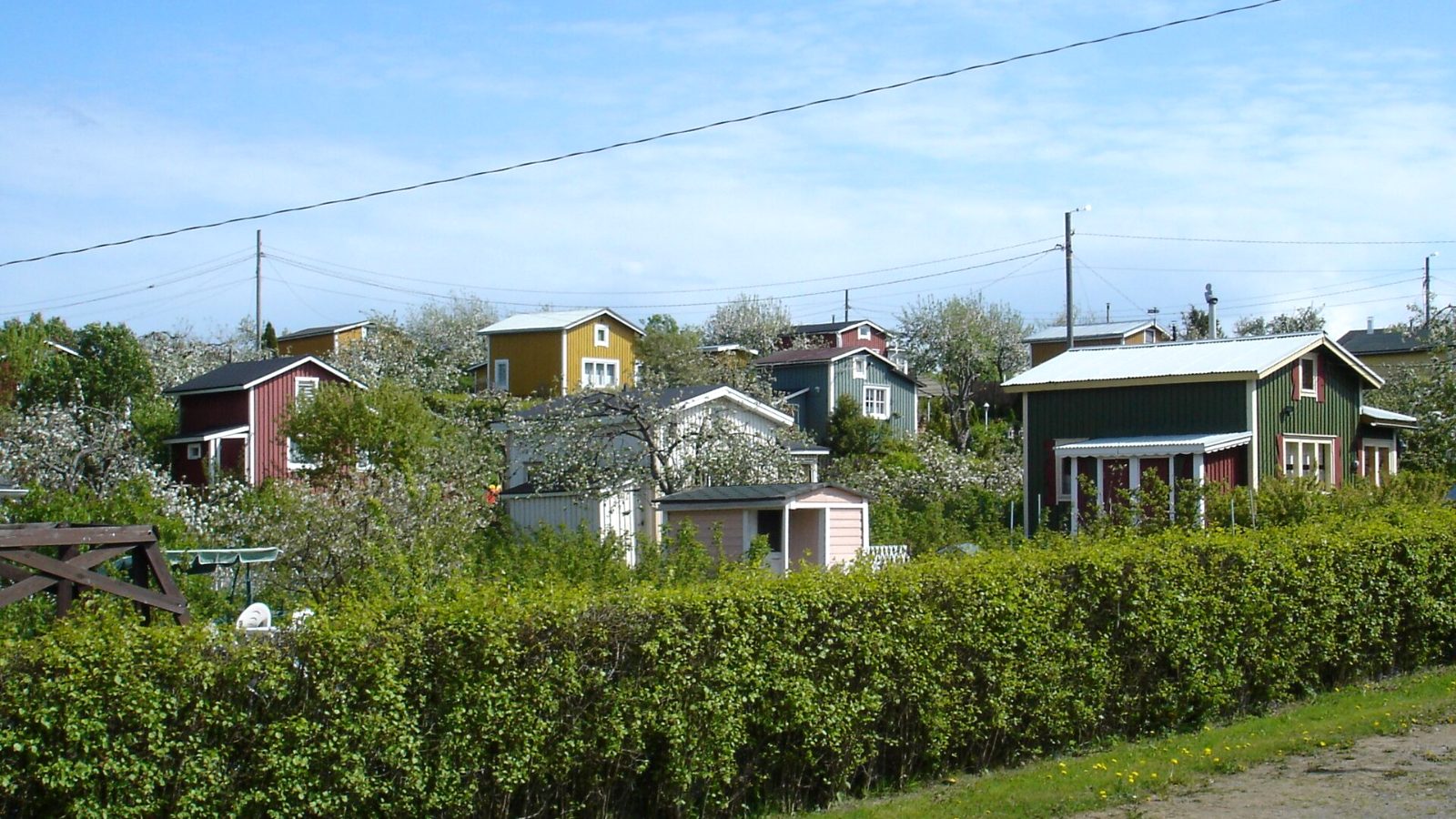
Featured image: Nekalan siirtolapuutarha. Photo: Cryonic07 (CC BY-SA 3.0), via Wikimedia Commons.
When this advice does not apply
Plots in climates with a short season or on very poor land are often undersubscribed; take the full plot but still cultivate it in stages. If the site has no water supply at all, choose a plot nearest the entrance and bring water in; the far plots are the ones that get abandoned.


