Potting mix is not just dirt in a bag. For houseplants, it is the entire root environment: air, moisture, support, and nutrition management in a limited container. A good mix drains well, holds enough water for the plant, and stays open rather than compacting around the roots.
Roots need air as much as they need water
Most houseplants do best in a peat- or coir-based potting mix amended with aeration materials such as perlite, pumice, orchid bark, or coarse coco chips. The right mix depends on the plant, pot size, light, and watering habits.
Adjusting texture for different plants
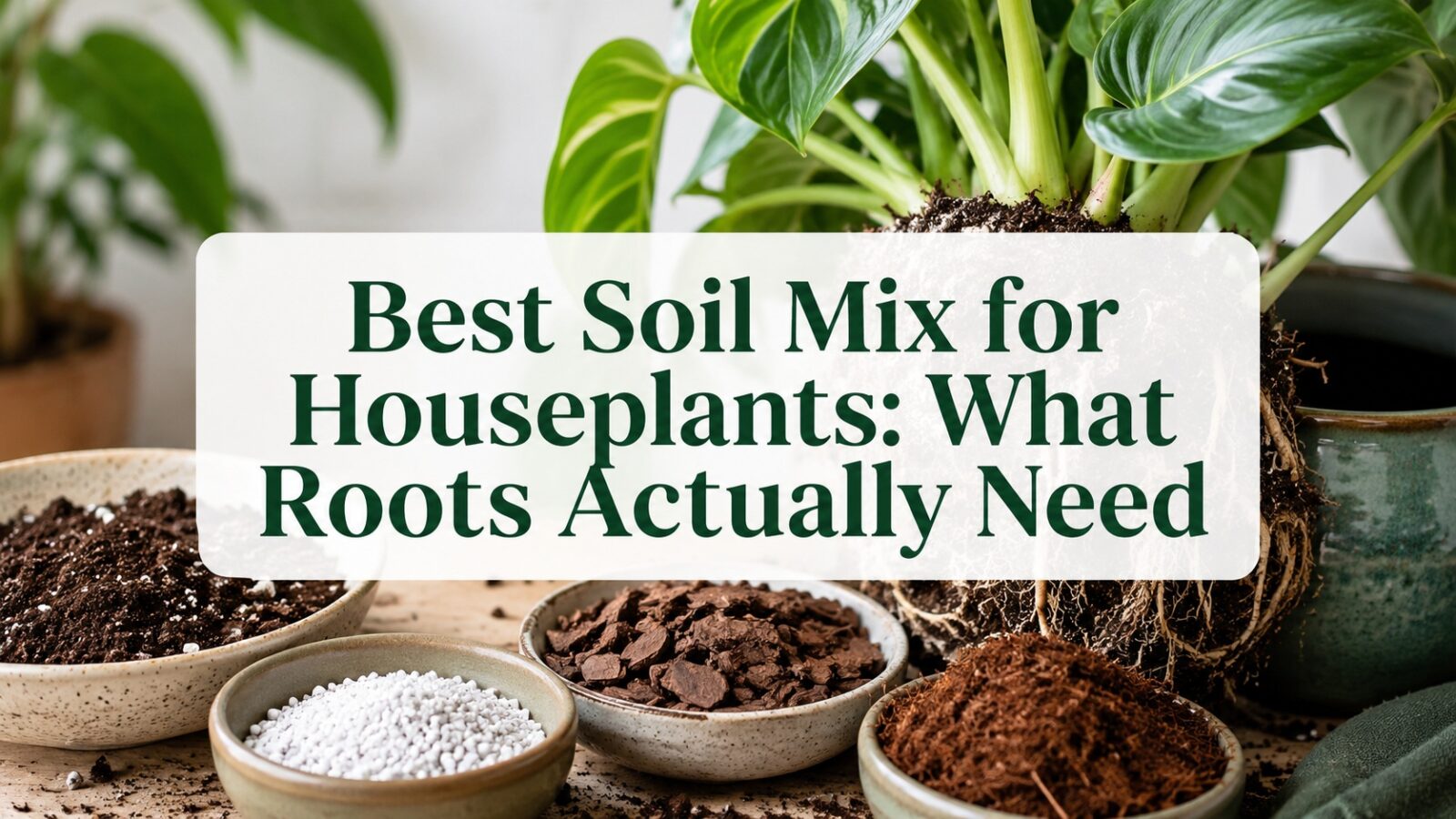
Perlite is light and improves drainage, while pumice is heavier and helps pots stay stable.
Orchid bark creates air pockets that aroids such as monstera and philodendron appreciate.
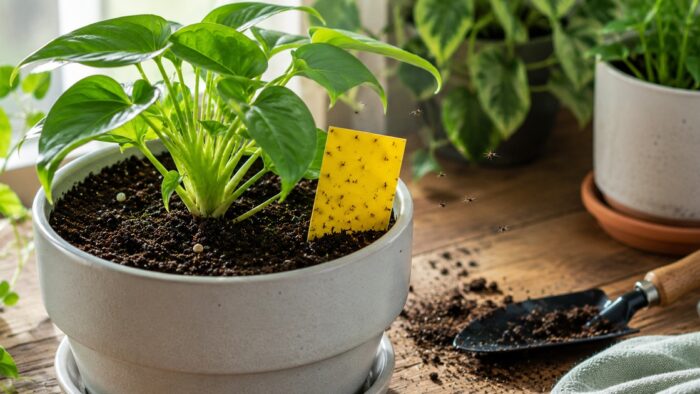
Garden soil is too dense for most indoor containers and may bring pests indoors.
A large pot with too much unused mix can hold excess water around a small root ball.
Fertilizer does not fix poor structure; roots still need oxygen.
Potting mix changes inside a container
Indoor roots live in a smaller, less forgiving space than outdoor roots. When the mix stays wet for days, oxygen drops and root rot becomes more likely. When it dries too fast, leaves wilt and growth stalls.
Building or choosing a suitable mix
- Match the mix to the plant group instead of using one bag for everything.
- Add aeration for plants that dislike wet feet, especially aroids, succulents, and snake plants.
- Use moisture-retentive but airy mixes for ferns, peace lilies, and calatheas.
- Refresh old potting mix during repotting because structure breaks down over time.
- Water after repotting and let excess drain fully before returning the plant to a decorative pot.
Why room conditions change the best mix
A plant in warm, bright conditions uses water faster than the same plant in a cool room. A very airy mix may dry too quickly on a sunny balcony but work well in a humid indoor cabinet. Container size and material also change the balance.
Rather than copying a recipe exactly, learn what each ingredient does. Fine organic material holds moisture, bark creates larger air spaces, and mineral components can improve drainage. Adjust one part at a time and watch how long the root zone stays damp.
Changing one ingredient at a time
If a mix stays wet too long, do not rebuild every pot with an extreme recipe. Increase the coarse or mineral component gradually and compare how the root zone behaves. If it dries too fast, add a modest amount of moisture-retentive material.
Label experimental mixes with the date and ingredients. The notes become useful when two plants of the same type respond differently because their containers or room conditions are not identical.
Why garden soil fails indoors
- Buying the cheapest dense potting soil for every plant.
- Adding gravel at the bottom instead of fixing the mix and drainage.
- Repotting into a pot that is several sizes too large.
- Ignoring signs of compaction such as water running around the edge instead of soaking in.
Compaction, sour smells, and slow drainage
If water sits on top before sinking, the mix may be hydrophobic or compacted. If the pot stays heavy for a week, the mix may be too dense or the plant may be in too little light. If leaves wilt soon after watering, inspect the roots.
Adjusting a potting mix without starting over
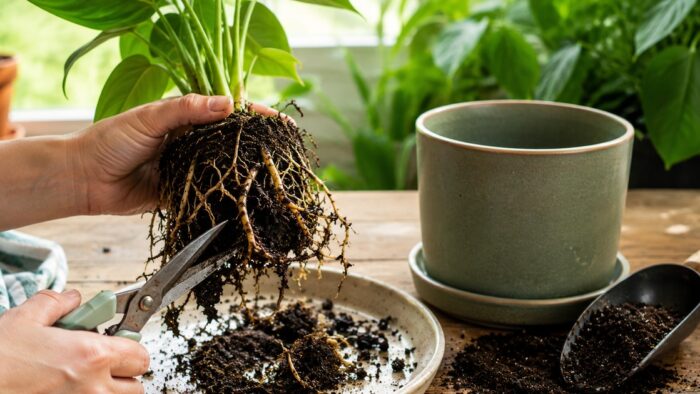
A mix that stays wet can sometimes be improved at the next repotting rather than discarded immediately. Add coarse, stable material that creates air space, choose a pot with reliable drainage, and avoid moving a small root ball into an oversized container. A mix that dries too quickly may need a slightly larger pot or a more moisture-retentive component.
Make changes based on how the roots behave, not on a universal recipe. The repotting sequence in the houseplant repotting guide helps reduce root damage, and the watering guide explains why pot size and light change drying time. After repotting, wait and observe before adding fertiliser. Fresh mix, damaged roots, and a new position can all alter the plant’s response.
Potting-mix questions
Can I use garden soil for houseplants?
It is not recommended. Garden soil compacts in pots and often drains poorly indoors.
Should I put rocks in the bottom of pots?
No. Rocks do not create real drainage and can leave water perched above the rock layer.
How often should I replace potting mix?
Many houseplants benefit from refreshing or repotting every one to three years, depending on growth and mix condition.
What mix is best for monstera?
A chunky, airy mix with potting mix, bark, and perlite or pumice works well for many monsteras.
What the common ingredients contribute
Read ingredient labels. Look for potting mix, not topsoil. Keep amendments simple: perlite or pumice for drainage, bark for aroids, and a small amount of compost or worm castings if you know the plant can handle richer media.